

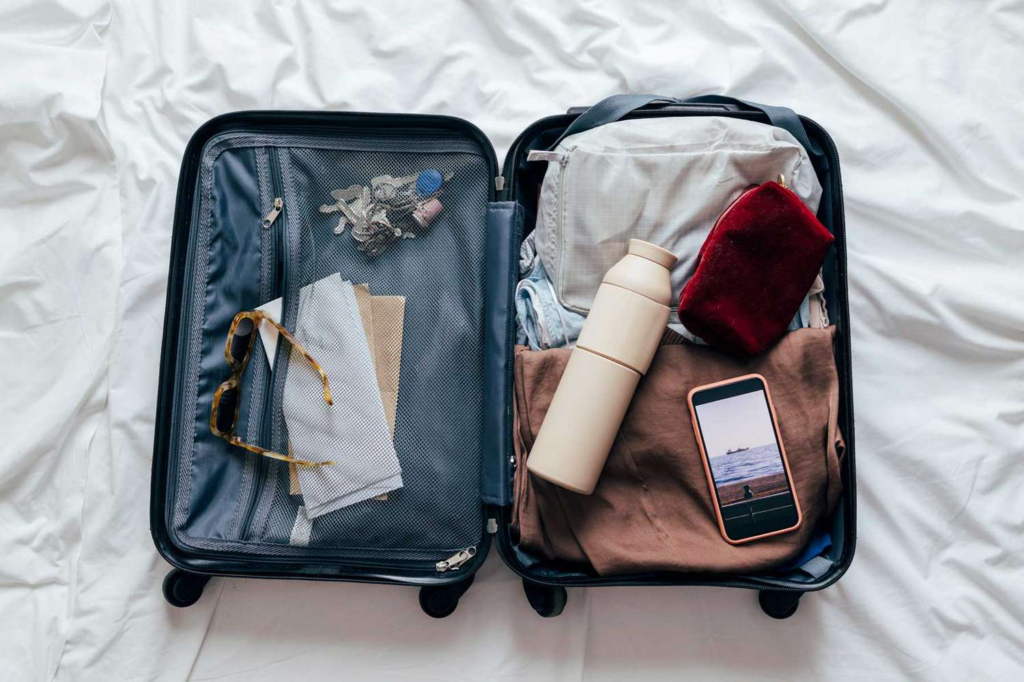
If you’ve ever struggled with overstuffed carry-ons or wished you could breeze through airports with just a small backpack, you’re not alone. Airline staff have an underground secret for packing light that few travelers know. It’s not about fitting more into a bag — it’s about packing with intention, wearing your heaviest items, and eliminating the unnecessary. This article reveals that rule and provides expert-backed strategies to make travel lighter, faster, and stress-free.
What Is the Underground Rule for Packing Light?
At its core, the underground rule is deceptively simple: pack with intention, not just to meet airline restrictions. While airlines impose strict weight and size limits, savvy travelers and flight attendants focus on maximizing versatility and eliminating unnecessary items.
Instead of trying to cram everything “just in case” into your bag, they prioritize clothing and gear that serve multiple purposes, wear heavier items on the plane, and ruthlessly cull anything superfluous. The result? A carry-on that’s lighter, more functional, and easier to maneuver through airports.
Why Airlines Don’t Tell You About This Rule
1. Airlines Benefit From Overpacking
Overweight or extra luggage generates revenue in checked-bag fees. Promoting minimalist packing could reduce profits, so the airlines’ messaging rarely emphasizes efficient travel.
2. Most Travel Advice Is Surface-Level
General guides often focus on “what to pack” instead of teaching travelers how to pack smartly. The nuanced strategies flight attendants use — like multi-purpose items, capsule wardrobes, and wearing the bulkiest items — are often tucked away in expert blogs or niche travel forums.
3. Travelers Overestimate Needs
We all pack for “just in case.” Yet frequent flyers know that most extras aren’t necessary. Minimalist packing not only saves space and money but also reduces stress and streamlines the travel experience.
What Real-World Travelers & Flight Crew Do Differently
Wear Your Bulky Items
One of the most overlooked strategies is wearing your heaviest clothing and shoes instead of packing them. Travel bloggers recommend putting on jackets, coats, or boots for transit to free up space in your bag. (Tortuga Backpacks)
Build a Capsule Wardrobe
A capsule wardrobe ensures every item has a purpose. The 1-2-3-4-5-6 formula — 1 hat, 2 shoes, 3 bottoms, 4 tops, 5 pairs of socks, 6 underwear — is enough for up to two weeks without overpacking. (REI)
Use Performance Fabrics
Lightweight, wrinkle-resistant fabrics like merino wool or synthetic blends allow repeated wear without odor or appearance issues. This reduces the total number of items you need to pack. (Tortuga Backpacks)
Roll Clothes and Use Packing Cubes
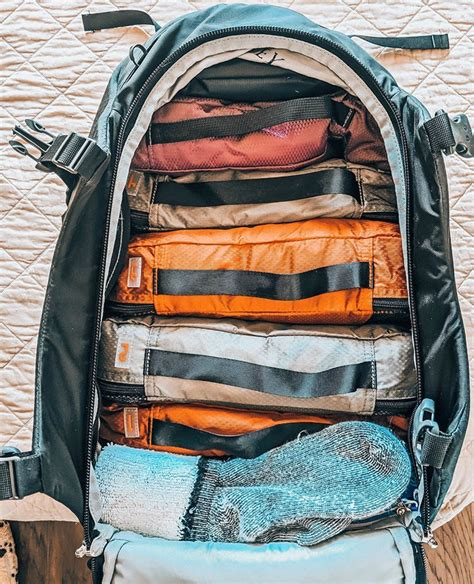
Rolling clothes minimizes wrinkles and maximizes space. Packing cubes or compression bags help keep your items organized and compact. (MapQuest)
Simplify Toiletries
Decant your toiletries into travel-sized bottles or use multi-purpose products like 2-in-1 shampoo and body wash. Many travelers skip bulky items altogether, relying on hotel amenities. (Booking.com Business)
Go Digital
Instead of carrying physical guides, maps, or itineraries, use your phone or tablet. Digital documents save weight, reduce clutter, and are easier to update on the go. (We Travel, We Bond)
Airline Staff Habits You Can Emulate
Though rarely publicized, flight attendants and frequent flyers use these tricks:
- Pre-pack with purpose: Organize by outfit type or day, not randomly.
- Wear heavy items during transit: Jackets, sweaters, and shoes often go on-board.
- Laundry mindset: Clean clothes mid-trip to minimize volume.
- Minimal extras: Carry-on only; no redundant gadgets or items.
Step-by-Step Strategy to Adopt the Rule
- Lay Everything Out: Before packing, arrange all items. If you hesitate, remove it.
- Prioritize Multi-Purpose Items: Choose clothing that converts easily or serves multiple functions.
- Use Packing Organizers: Cubes or compression bags maintain compactness.
- Weigh Your Bag: Ensure it’s under airline limits before arriving at the airport.
- Travel-Sized Essentials: Bring only what’s necessary; leave nonessential items behind.
- Wear Strategically: Put bulky items on before boarding.
- Digitize Documents: Boardings, tickets, and guides should be electronic.
- Plan for Laundry: Especially on trips longer than a week, washing mid-trip keeps luggage minimal.
Benefits of Packing Light
- Cost Savings: Avoid checked-bag fees.
- Faster Transit: Skip baggage claim lines and move freely through airports.
- Flexibility: Easier to take taxis, public transport, or multiple flights.
- Reduced Stress: Fewer items mean less to lose or manage.
FAQs About Packing Light
- How light should a carry-on be?
Aim for 7–8 kg (15–17 lb) for comfort and flexibility. (Get Experience) - Can I pack for two weeks in a carry-on?
Yes, with capsule wardrobe principles and mid-trip laundry. (REI) - What fabrics are best?
Lightweight, odor-resistant fabrics like merino wool and synthetics are ideal. (Tortuga Backpacks) - Are packing cubes necessary?
Optional, but they help organize and compress items efficiently. (REI) - How should I pack toiletries?
Travel-sized, multi-purpose items work best. Avoid unnecessary bulk. (Booking.com Business) - How many shoes should I pack?
Two pairs: wear the bulkier pair on the plane, pack the lighter pair. (Tortuga Backpacks) - What about travel guides and documents?
Digitize everything — maps, boarding passes, tickets, and guides. (We Travel, We Bond) - Do flight attendants actually pack this way?
Yes, they minimize carry-on items, wear heavy pieces, and do laundry mid-trip. - What if climates vary during travel?
Pack versatile layers and convertible items to handle temperature changes. (REI) - How do I avoid overpacking if anxious?
Lay everything out and remove half of the items you question. Less is almost always better. (Economic Times)
Final Takeaways
The underground packing light rule isn’t about tricking airlines — it’s about traveling smarter. By choosing versatile items, wearing your heaviest pieces, and minimizing extras, you can streamline your travel experience, save money, and reduce stress. With intention and practice, every trip can feel lighter, faster, and more enjoyable — exactly like the pros do.