


Eco‑friendly travel doesn’t have to be expensive—it can actually save you money. By choosing sustainable accommodations, minimizing waste, using public transportation, and packing smart, budget-conscious travelers can reduce their carbon footprint while keeping expenses low. Here are expert-backed, practical strategies to travel greener, smarter, and cheaper.
Why Sustainable Travel Can Be Cheaper
Many people assume eco-friendly travel comes with a premium price tag, but that’s not always true. Smaller sustainable hotels and eco-lodges reduce operational costs through energy efficiency, and these savings often pass on to travelers. (Forbes)
Choosing slower, lower-impact transportation such as trains, buses, or shared rides reduces fuel consumption and often costs less than flying or renting a car. (The Million Dollar Mama)
Eco-conscious travel is not a compromise—it’s often a financially smarter choice.
Key Strategies for Budget-Friendly Eco Travel
1. Travel Off-Peak and Embrace Slow Travel
- Traveling during the shoulder season reduces flight and accommodation costs. (The Million Dollar Mama)
- Longer stays in one location reduce travel frequency, which lowers costs and emissions. (Itinerary Plans)
2. Use Public and Low-Impact Transportation
- Opt for buses, trains, subways, or bike rentals instead of taxis or rental cars. (The Wandercents)
- Walking and cycling are zero-cost, low-carbon options that allow for immersive local experiences.
3. Choose Green, Affordable Accommodations
- Eco-certified hostels, guesthouses, and lodges often cost less than luxury hotels. (The Million Dollar Mama)
- Certifications like EarthCheck and Green Key indicate energy efficiency and sustainable operations. (Next Step Living)
- Homestays and farm stays provide local immersion while supporting sustainable economies. (Akbar Travels)
4. Eat Local and Seasonal Foods
- Local markets and community restaurants reduce costs and environmental impact. (The Million Dollar Mama)
- Bring reusable lunch containers and water bottles to avoid buying packaged food or bottled drinks. (World Nomads)
- Plant-based meals are often cheaper, especially where local produce is abundant.
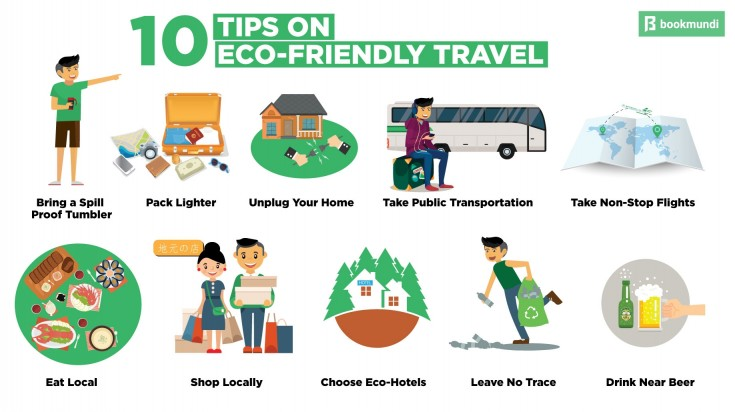
5. Pack Light and Bring Reusable Gear
- Avoid checked-bag fees and reduce fuel use by traveling light. (Next Step Living)
- Bring reusable items: water bottles, travel cutlery, cloth bags, and solid shampoo bars. (The Wandercents)
6. Skip Daily Hotel Housekeeping
- Opt out of daily room cleaning to save both money and resources. (The Wandercents)
- Many hotels reward guests for reusing linens and towels, benefiting both budget and sustainability. (Lonely Planet)
7. Volunteer or Work-Exchange
- Work-exchange programs like WWOOF or Workaway provide lodging in exchange for volunteer work. (Green Travel Guides)
- This allows longer stays at minimal cost while contributing positively to local communities.
8. Use Eco-Friendly Booking Platforms
- Platforms highlighting green certifications help you make sustainable choices without spending more. (Next Step Living)
- Booking directly with local businesses often reduces costs and supports sustainability.
9. Explore Less-Visited Destinations
- Visiting lesser-known destinations reduces overtourism and often lowers accommodation and food costs. (Next Step Living)
- These locations often offer authentic experiences and local immersion at lower prices.
10. Be a Minimal-Waste Traveler
- Bring reusable bottles, utensils, and cloth bags to reduce single-use plastics. (Itinerary Plans)
- Choose low-impact activities like hiking, biking, or visiting markets, which are often free or low-cost. (The Million Dollar Mama)
Real-Life Examples
- Off-Season Europe Trip: A couple visited Portugal and Slovenia in shoulder season, reducing costs by 30% while staying in green-certified guesthouses.
- Train Instead of Flight: A solo traveler in Southeast Asia used overnight trains, avoiding expensive flights and lowering emissions.
- Eco-Volunteer Stay: A backpacker volunteered on an organic farm in Georgia in exchange for food and lodging, cutting travel costs significantly.
- Reusable Gear: Frequent travelers using water bottles, cutlery, and solid shampoo bars save money and reduce waste over time.
Why Eco-Friendly Travel Is Also Smart Money Management
- Lower Costs Over Time: Reusable gear saves money across multiple trips.
- Reduce Waste = Reduce Spending: Eating locally and reusing bottles and bags decreases incidental costs.
- Longer Stays = Better Value: Reduces transport costs and allows negotiation for lodging.
- Support Local Economies: Spending locally offers better value and supports sustainable community development.
FAQs: Eco-Friendly Travel on a Budget
- Is eco-friendly travel always more expensive?
- No. Green strategies like hostels, public transport, and packing light can reduce costs. (Forbes)
- No. Green strategies like hostels, public transport, and packing light can reduce costs. (Forbes)
- How do I find eco-certified accommodations on a budget?
- Use sustainability filters or seek small eco-lodges with certifications like EarthCheck or Green Key. (Next Step Living)
- Use sustainability filters or seek small eco-lodges with certifications like EarthCheck or Green Key. (Next Step Living)
- Can eating local really reduce my carbon footprint?
- Yes. Eating seasonal, local food cuts emissions from packaging and transportation. (The Million Dollar Mama)
- Yes. Eating seasonal, local food cuts emissions from packaging and transportation. (The Million Dollar Mama)
- Do reusable bottles and cutlery help?
- Absolutely. They reduce plastic waste and save money on bottled water. (World Nomads)
- Absolutely. They reduce plastic waste and save money on bottled water. (World Nomads)
- How does packing light save money?
- Lighter luggage avoids baggage fees and reduces fuel usage, benefiting both budget and environment. (SOTC)
- Lighter luggage avoids baggage fees and reduces fuel usage, benefiting both budget and environment. (SOTC)
- How can volunteering offset travel costs?
- Platforms like WWOOF or Workaway provide food and lodging in exchange for work. (Green Travel Guides)
- Platforms like WWOOF or Workaway provide food and lodging in exchange for work. (Green Travel Guides)
- Are eco-certified hotels cheaper?
- Many eco-lodges and hostels are more affordable than luxury resorts, especially with resource-efficient operations. (The Million Dollar Mama)
- Many eco-lodges and hostels are more affordable than luxury resorts, especially with resource-efficient operations. (The Million Dollar Mama)
- How can I reduce energy use in hotels?
- Reuse linens, turn off lights and AC when leaving, and opt out of daily housekeeping. (The Wandercents)
- Reuse linens, turn off lights and AC when leaving, and opt out of daily housekeeping. (The Wandercents)
- Are eco-friendly activities expensive?
- Not at all. Hiking, biking, and exploring markets are low-cost and eco-conscious. (The Million Dollar Mama)
- Not at all. Hiking, biking, and exploring markets are low-cost and eco-conscious. (The Million Dollar Mama)
- How do I balance green travel and cost savings?
- Focus on slow travel, packing smart, local spending, and reusable gear—choices that save money and reduce impact.
- Focus on slow travel, packing smart, local spending, and reusable gear—choices that save money and reduce impact.
Final Takeaways
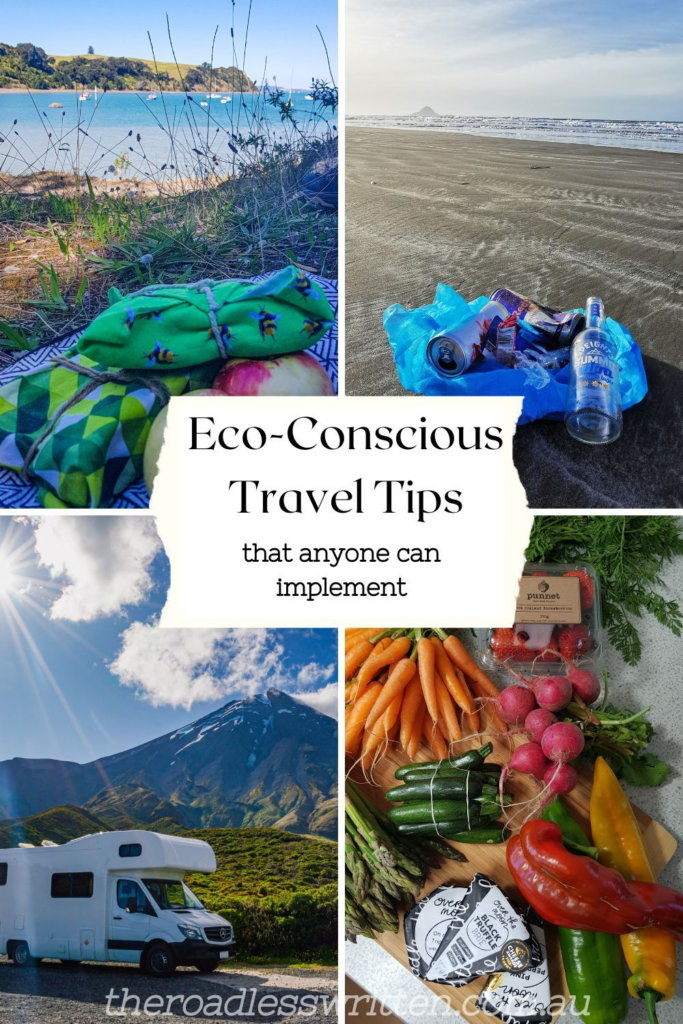
- Eco-friendly ≠ expensive: Many green travel habits save money.
- Small choices matter: Reusables, public transport, and longer stays are eco-conscious and economical.
- Be intentional: Research and plan choices that align with both sustainability and budget.
- Think long-term: Green habits compound benefits across multiple trips.
Traveling sustainably doesn’t require overspending—it’s about being intentional, resourceful, and mindful, all while experiencing authentic, meaningful journeys.