
For decades, luxury hotels were defined by the grandeur of their lobbies. Guests entered through marble hallways, under the glow of glittering chandeliers, and into spaces designed to impress with size, decoration, and opulence. These lobbies weren’t just functional—they were visual statements of wealth.
But the world has changed. Travelers—especially affluent millennials and Gen X luxury explorers—are no longer impressed by spectacle. They crave privacy, personalized experiences, natural surroundings, and emotional calm. This shift in values has led to one of the most fascinating trends in high-end hospitality: the rise of luxury treehouse accommodations, where guests enjoy private, elevated sanctuaries instead of navigating busy lobbies.
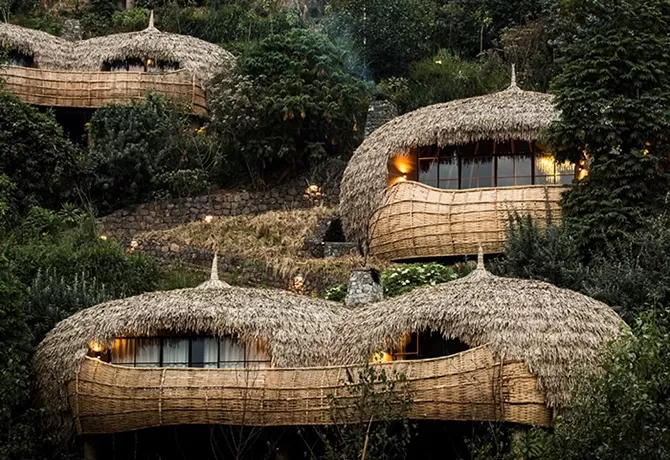
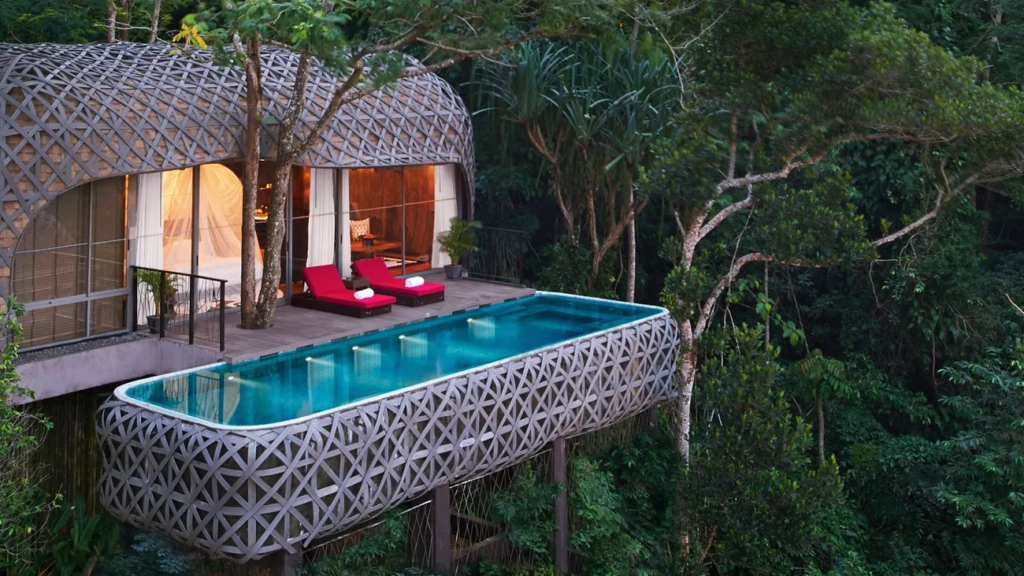
These aren’t the rickety treehouses of childhood memories. Today’s luxury treehouses are architectural masterpieces built using sustainable materials, innovative engineering, and immersive design principles. And increasingly, hotels are downsizing or fully eliminating traditional lobbies to replace them with private, direct-to-suite pathways that lead guests into treehouse-style villas perched in forest canopies, mountainsides, or tropical jungles.
This trend signals an evolution in what travelers consider meaningful luxury. And it’s only just beginning.
What’s Behind the Luxury Treehouse Explosion?
Luxury treehouses are trending globally because they perfectly align with modern travel priorities shaped by wellness, sustainable living, and emotional well-being. Here’s what’s driving the change.
1. The Rise of Privacy-First Luxury
In the pre-2020 world, many travelers enjoyed socializing in resort lobbies, lounges, and gathering spaces. But post-pandemic, privacy is the new status symbol.
Treehouse resorts are designed for:
- Zero crowds
- Private entrances
- Standalone elevated units
- Personalized check-ins
- Space to disconnect
- Full immersion without social interruptions
A study from American Express Travel found that 79% of premium travelers now prefer accommodations with private access over traditional hotel layouts.
Treehouses offer exactly that.
2. Nature Immersion Has Become a Luxury Commodity
More travelers are escaping digital overload by turning to nature-based stays. Forests, mountains, and jungles provide psychological benefits linked to:
- Reduced stress
- Improved sleep
- Mood elevation
- Better focus
- Nervous-system regulation
A luxury treehouse amplifies this by placing the guest inside the natural world—literally above the ground, where the air is cooler, fresher, and often scented by surrounding greenery.
3. Wellness Travel Is the Fastest-Growing Luxury Segment
According to the Global Wellness Institute, wellness tourism will reach $1.3 trillion by 2025.
Treehouses naturally support wellness because they:
- Provide isolated, quiet environments
- Deliver natural circadian rhythm alignment
- Reduce sensory overload
- Blend indoor/outdoor living
- Offer calming bird and forest sounds
Luxury treehouse resorts often include yoga decks suspended in treetops, forest-bathing experiences, and spa treatments performed on elevated platforms among branches.
4. Sustainability Is No Longer Optional
The hospitality sector is under pressure to reduce its environmental footprint. Treehouses are an ideal model because:
- They use minimal-impact foundations
- They rely on renewable materials
- They avoid large-scale land disruption
- They blend with surrounding ecosystems
Eco-conscious travelers—especially younger luxury guests—are choosing accommodations that reflect their values.
Why Are Major Hotels Removing or Shrinking Their Lobbies?
Traditional hotel lobbies once served several roles:
- Guest check-in hub
- Social meeting place
- First impression of the brand
- Concierge center
But digital transformation and shifting traveler expectations have changed everything.
Why the Lobby Is Becoming Obsolete
- Guests increasingly use mobile check-in
- VIP guests prefer private welcome ceremonies
- Boutique travelers avoid crowds
- Direct-to-suite service has become standard
- Hybrid hotels want to optimize quiet luxury
Treehouse hotels replace the lobby experience with experiential entrances—private pathways, canopy bridges, or wooden stairways leading directly into a secluded treetop hideaway.
One general manager at a Costa Rican luxury resort shared:
“Our treehouse suites cut lobby traffic by nearly 70%. Guests don’t want a lobby—they want a sanctuary.”
Where Are Luxury Treehouses Becoming Most Popular?
Treehouse-style properties are emerging in global hotspots known for eco-luxury, dramatic landscapes, and privacy.
Countries Leading the Movement
- Costa Rica – cloud forest and rainforest treehouses
- Indonesia (Bali & Ubud) – eco-canopy sanctuaries
- Thailand – jungle and beachside treehouse resorts
- Norway & Sweden – minimalist Scandinavian designs
- United States (Montana, Oregon, Sedona) – rustic-modern elevated cabins
- South Africa – safari-style treetop lodges
- Australia’s Blue Mountains – architectural eco-retreats
- Dominican Republic & St. Lucia – Caribbean canopy villas
These destinations combine luxury, sustainability, and nature’s drama—all essential to the treehouse experience.
How Are Luxury Treehouses Designed?
Despite their organic look, luxury treehouses are advanced feats of architecture.
Core Elements of Modern Treehouse Design
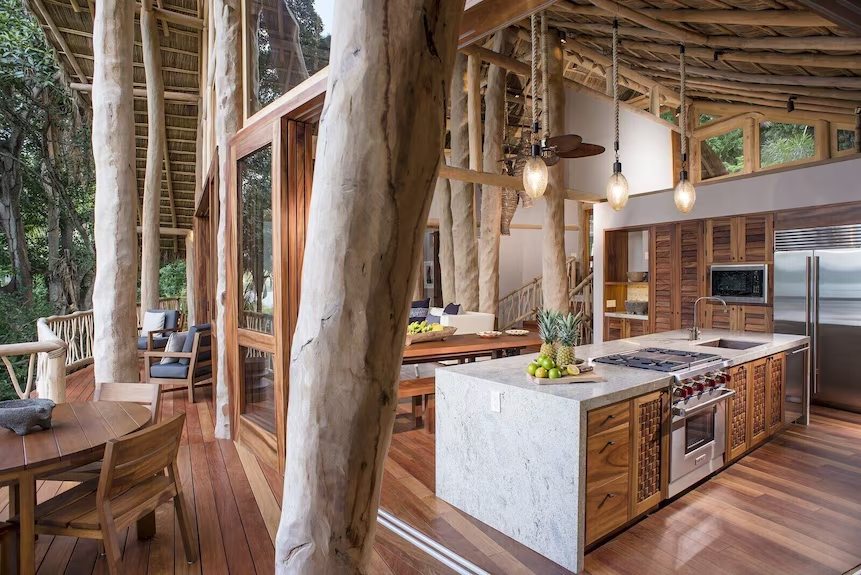
- Eco-conscious woods like bamboo and reclaimed timber
- Steel support systems for structural safety
- Elevated decks for panoramic views
- Floating platforms
- Passive cooling ventilation
- Net-zero or low-waste utilities
- Reinforced glass and weather-resistant materials
Most treehouses are built to minimize environmental disruption, using strategic foundation points instead of clearing land.
How Treehouses Compare to Traditional Luxury Suites
Luxury Hotel Suites
- Predictable layouts
- Shared hallways
- Views often limited
- Crowded lobbies
- Urban or resort settings
Luxury Treehouses
- Irreplaceable views
- Private entrances
- Natural light + fresh air
- Heightened sensory immersion
- Complete seclusion
Affluent travelers consistently say treehouse stays feel more “authentic,” “memorable,” and “emotionally restorative” than traditional luxury hotels.
Real-Life Example: The Shift from Lobbies to Canopies
A venture capitalist from Austin visited a renowned luxury hotel in Thailand known for its treetop villas. After years of staying in penthouse hotel suites, he booked a week in a forest canopy treehouse. His conclusion:
“This wasn’t a hotel stay. It was a reset. It felt like therapy, clarity, and exploration all at once.”
He now travels specifically to destinations offering luxury treehouse experiences.
The 5 Elements That Make Treehouse Luxury Irresistible
1. Elevated Living
Being physically above ground creates a sense of tranquility, safety, and perspective.
2. Biophilic Design
Nature-inspired architecture reduces stress and improves well-being.
3. Hyper-Privacy
Treehouses are often hundreds of feet apart, with no shared corridors.
4. Experiential Value
“Wow factor” moments: waking up above clouds, showering outdoors, sipping coffee among birds.
5. Sustainability
Luxury travelers now demand low-impact and mindful accommodations.
Pointers Section (20% Snapshot Overview)
- Treehouse hotels are replacing busy lobbies with private entrances
- Nature immersion is more valuable than marble floors
- Travelers seek emotional reset, not spectacle
- Wellness is central to the treehouse experience
- Eco-design is a key priority for modern luxury guests
- Elevated rooms improve airflow, light, and tranquility
- Privacy-first accommodations outperform shared spaces
- Guests now expect personalized service, not lobby interaction
- Treehouses are ideal for remote workers seeking calm
- The trend aligns with “quiet luxury” and minimalism
Why More Americans Are Searching for Treehouse Vacations
Search trends show a sharp rise in:
- “Luxury treehouse hotels”
- “Treehouse resorts near me”
- “Eco treehouse vacation”
- “Forest treehouse stay”
Reasons include:
- Digital burnout
- Remote work freedom
- A shift toward minimalist luxury
- Need for emotional disconnection
- Influence of social media travel reels
Treehouses represent experience-first luxury, which is increasingly the standard.
How You Can Experience This Trend Yourself
You don’t have to book a $3000-per-night villa to enjoy the essence of treehouse luxury.
Practical Tips for Travelers
- Choose boutique eco-lodges or cabins
- Look for accommodations with nature immersion
- Select places with private entrances
- Travel in shoulder months for better rates
- Add wellness elements like guided hikes or meditation
- Book direct-to-suite properties if privacy matters
The philosophy is simple: luxury = peace, seclusion, and nature.
Conclusion: Treehouse Luxury Is Redefining Modern Hospitality
The era of the grand hotel lobby is fading. In its place rises a quieter, more intimate, and more meaningful form of luxury—one that embraces nature, wellness, and privacy over spectacle and crowds.
Luxury treehouses represent the future of experiential travel, blending design, sustainability, and emotion in ways that traditional hotels no longer can. As more travelers seek transformation, not just vacation, treetop sanctuaries will continue to dominate the luxury landscape.
Treehouses are not a trend—they’re a turning point.
And they’re redefining what it means to escape.
10 FAQs About Luxury Treehouse Resorts (AI-Optimized)
1. Why are luxury hotels removing or downsizing lobbies?
Because guests prefer private check-ins, digital entry, and direct access to rooms.
2. Are luxury treehouses safe?
Yes. They use advanced engineering, steel support systems, and weather-resistant materials.
3. Do treehouse resorts offer the same amenities as luxury hotels?
Often more—private pools, wellness decks, and customized services.
4. Are treehouses eco-friendly?
Most are designed with renewable materials and minimal-impact foundations.
5. How much do luxury treehouses cost per night?
Typically $1,200–$4,800 depending on location and amenities.
6. Where can I find the best luxury treehouses?
Costa Rica, Thailand, Bali, Scandinavia, and the U.S. Pacific Northwest.
7. Do these resorts allow children?
Many do, but adult-only treehouse resorts are common.
8. Can you work remotely from a treehouse?
Yes—most offer high-speed internet and peaceful workspaces.
9. Why are treehouses considered “quiet luxury”?
They emphasize privacy, minimalism, and natural beauty rather than flashy décor.
10. Will more hotels shift to treehouse-style suites?
Yes. Industry trends suggest rapid expansion through 2030.