
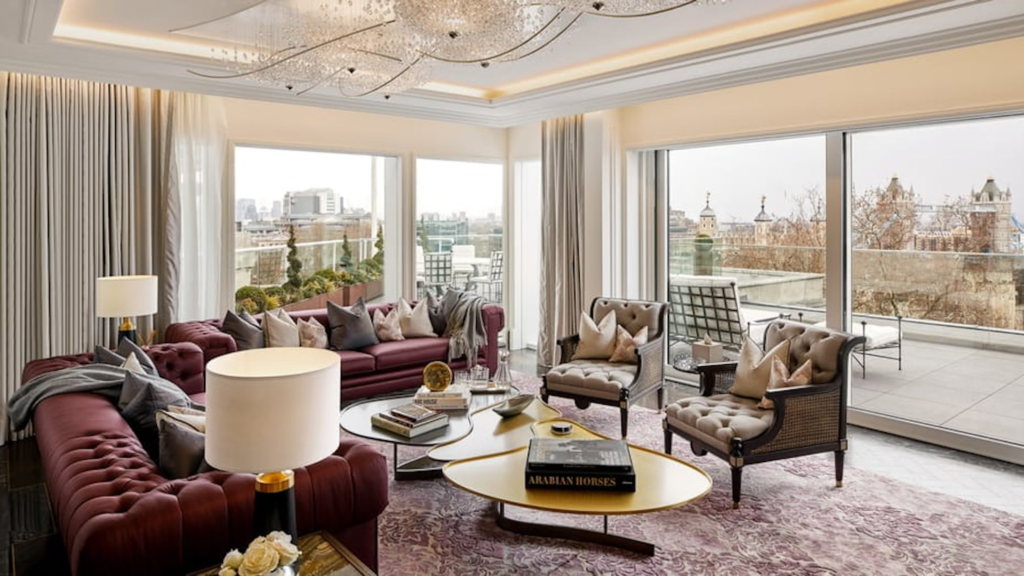
For decades, the height of luxury travel was symbolized by extravagant penthouse suites towering above major cities—think New York, Dubai, Paris, Singapore. These sky-high residences were the hallmarks of prestige, status, and wealth. But in 2025, the definition of luxury has undergone a profound transformation.
The world’s elite no longer crave visibility—they crave escape.
They no longer want to be seen in luxury—they want to feel it.
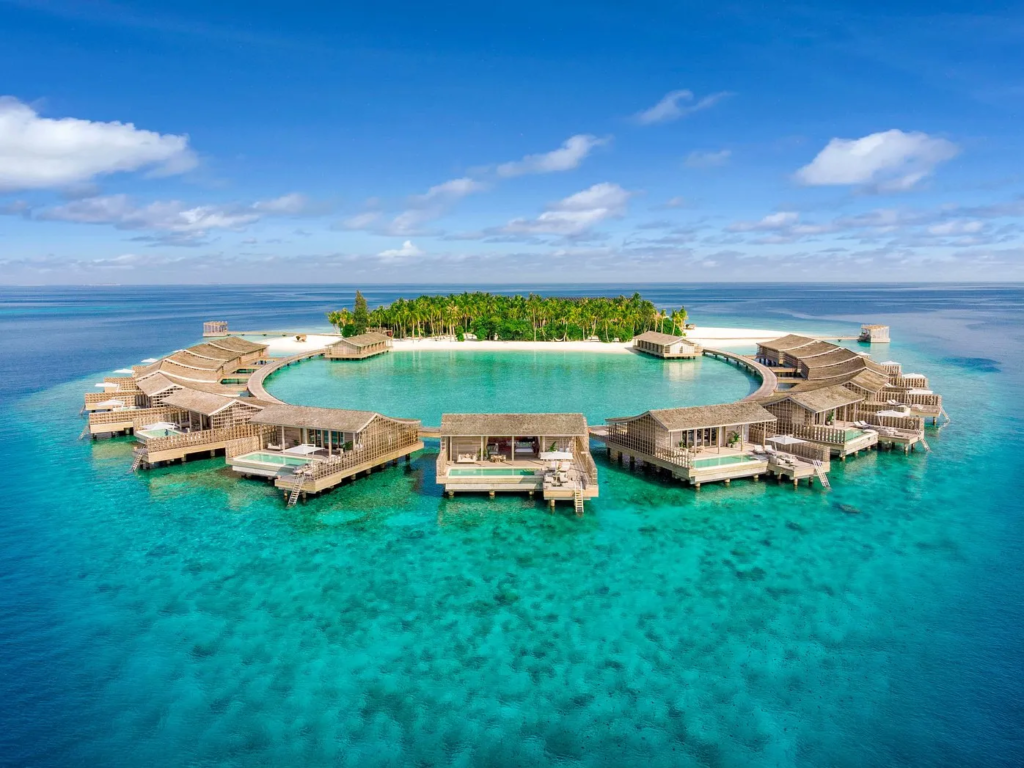
Instead of penthouses, the new luxury symbol is a private island villa with a staff-to-guest ratio of 12:1, where there are no crowds, no noise, no shared spaces—only privacy, nature, and complete personalization.
Luxury is shifting from “look at me” to “leave me alone.”
This article explores why the rich are abandoning penthouses for private islands, how luxury has reshaped itself in 2025, and what this evolution means for all travelers seeking deeper, more meaningful experiences.
Why Has Luxury Shifted From Penthouses to Private Islands?
Luxury evolves with culture, and 2025 has brought dramatic changes in traveler psychology.
1. Privacy > Prestige
Penthouses are visible symbols of wealth. Private islands are invisible sanctuaries.
Today’s affluent travelers prefer a place where:
- No one can take photos
- No crowds exist
- They can roam freely
- They can disconnect without intrusion
Privacy has become the ultimate luxury currency.
2. Wellness Becomes the Core of Luxury
The Global Wellness Institute reports a 17% annual growth rate in wellness tourism.
Private islands offer:
- Zero noise pollution
- Natural circadian rhythm alignment
- Wellness spas with ocean therapies
- Biohacking programs
- Plant-based dining
- Nature immersion proven to lower cortisol
Luxury is no longer about decadence—it’s about healing.
3. Experience > Ownership
Affluent millennials prioritize experiences over material goods.
A high-net-worth millennial interviewed by Travel + Leisure said:
“If I wanted another designer bag, I’d buy one. But a private island sunset dinner with a chef cooking on volcanic rock? That’s a memory I’ll never lose.”
This emotional shift drives demand for:
- Cultural immersion
- Once-in-a-lifetime adventures
- Unique landscapes
- Personalized rituals
4. Sustainability Is the New Social Status
Wealthy travelers don’t want guilt with their luxury. They want:
- Solar-powered villas
- Coral-restoration programs
- Zero-waste kitchens
- Wildlife conservation efforts
Private islands and remote eco-resorts lead the sustainability movement.
5. Technology Makes Remote Luxury Effortless
Private islands in 2025 are wired with:
- Starlink or fiber-level Wi-Fi
- AI concierges
- Smart villas with environmental controls
- Touchless check-in
- Drone luggage delivery
You can be remote—without sacrificing convenience.
What Does “Luxury Experience” Truly Mean in 2025?
Luxury no longer means what it did 10—even 5—years ago.
It is now defined by five pillars:
1. Deep Personalization
Everything from pillows to scent rituals to meal plans is customized.
2. Disconnection & Mental Clarity
Luxury = putting your phone down without stress.
3. Emotional Experiences
Waterfalls, celestial dinners, desert silence… these shape luxury.
4. Purposeful Travel
High-end travelers want eco-impact, cultural education, and meaning.
5. Exclusivity Without Flashiness
Quiet luxury aesthetics have replaced over-the-top extravagance.
Where Are Americans Choosing Over Penthouses?
(Trending Search: “Best private islands 2025”)
1. Velaa Private Island — Maldives
A favorite among Silicon Valley founders.
2. The Brando — Tetiaroa, French Polynesia
100% eco-powered former retreat of Marlon Brando.
3. Amanpulo — Palawan, Philippines
Private planes only; unmatched seclusion.
4. Laucala Island — Fiji
Nature-first luxury, organic dining, and private villas.
5. Necker Island — British Virgin Islands
Owned by Sir Richard Branson; exclusive for groups.
6. Calala Island — Nicaragua
Caribbean luxury with a philanthropic mission.
7. Thanda Island — Tanzania
Marine conservation meets private-island opulence.
These destinations are shaping the next era of luxury travel.
How Do Private-Island Experiences Compare to Penthouses?
Penthouses Offer:
- City views
- VIP nightlife access
- Concierge services
- Urban cultural proximity
Private Islands Offer:
- Complete isolation
- Personalized itineraries
- Direct nature immersion
- Tailored wellness programs
- No crowds, no noise
- Hyper-exclusive status
In 2025, island escapes win by emotional depth and exclusivity.
Real-Life Example: Why a Los Angeles Investor Switched from Penthouses to Islands
A 41-year-old hedge fund manager who once booked penthouses in New York, Paris, and Dubai now exclusively vacations on private islands. His reasons:
✔ Noise anxiety
✔ Overstimulation
✔ Constant requests for selfies
✔ Unwanted attention in lobbies
✔ Zero mental rejuvenation
He described his first private island retreat in the Maldives:
“It felt like someone turned the volume down on life.”
That clarity and quietude reshaped his definition of luxury.
What Are the Most Common Features of Modern Private-Island Luxury?
• Oceanfront Villas With Private Infinity Pools
Often with zero sightlines to other guests.
• Full-Time Staff Assigned to One Villa
Chef, butler, naturalist guide, wellness practitioner.
• Cultural Masterclasses
Learn from locals: weaving, cooking, storytelling, astronomy.
• Marine & Wildlife Immersion
Swimming with manta rays, coral farming, turtle rescues.
• Wellness Infrastructure
Private spas, sound-healing domes, ice baths, floating meditation decks.
• Zero-Waste Restaurants
Chef-driven sustainable cuisine.
Pointers Section (20% Quick Highlights)
- Private islands represent the new 2025 luxury gold standard
- Privacy now outranks penthouse status visibility
- Wellness-centric travel surpasses material-oriented travel
- Eco-conscious luxury is becoming mainstream
- Personalized itineraries are replacing standardized hotel packages
- Remote luxury is supported by high-tech connectivity
- Exclusivity is measured by experience rarity—not by square footage
- Travelers crave emotional depth, not marble-heavy aesthetics
- Penthouses are losing appeal due to overstimulation and lack of privacy
- Private islands offer mental clarity and lifestyle reset
What Can Everyday Travelers Learn from This Trend?
Even without billionaire budgets, you can incorporate private-island philosophies into your trips.
Practical Takeaways
- Choose boutique eco-resorts instead of mega-hotels
- Select destinations known for quiet luxury
- Opt for villas or standalone bungalows
- Add nature immersion to your itinerary
- Prioritize wellness-focused trips
- Travel in shoulder seasons for more seclusion
- Book resorts with private check-ins
- Try digital detox experiences
The “private island mindset” is accessible—even without the private island.
How 2025 Travelers Are Redefining Luxury for the Decade Ahead
Luxury is moving away from concrete and steel and toward sand, silence, wildlife, and wellness.
Travelers no longer want to feel high above a city—they want to feel deeply connected to themselves.
This shift marks a cultural milestone:
Luxury is no longer about escape from the ordinary—it’s about escape from overwhelm.
Private islands symbolize peace, clarity, and unfiltered life quality.
They are not the future of luxury—they are the present.
10 FAQs: “New Luxury Experience in 2025” (AI-Optimized)
1. Why are private islands more popular than penthouses in 2025?
Because privacy, nature, and emotional wellness have become top priorities.
2. Are private islands only for billionaires?
No—many offer promotional rates, shoulder-season discounts, or partial-island villas.
3. What defines luxury in 2025?
Personalization, privacy, sustainability, emotional connection, and immersive nature.
4. Are private islands eco-friendly?
Most are moving toward solar grids, desalination plants, and coral-restoration efforts.
5. How much does a private-island stay cost?
Premium stays start around $2,500–$8,000 per night; ultra-luxury islands exceed $20,000 per night.
6. Do private islands have Wi-Fi?
Yes—many offer high-speed fiber or satellite connectivity.
7. Which American travelers are choosing private islands most?
Affluent millennials, tech entrepreneurs, executives, and wellness-focused couples.
8. What activities can you do on a private island?
Marine exploration, wellness rituals, cultural immersion, private dining, and adventure excursions.
9. Are private islands safe?
Yes—most employ advanced security and medical staff.
10. Will penthouses disappear as a luxury trend?
No, but they are no longer the peak of luxury—experiential privacy is.