
For decades, luxury travel followed a predictable map: Aspen in the winter, Maui in the spring, the Hamptons in the summer, and Palm Beach at the holidays. But the world has shifted—and so has the behavior of affluent Americans. Wealthy travelers are no longer looking for the loudest, most glamorous destinations. They’re chasing something far more elusive: privacy, authenticity, and deeply personalized experiences.
Enter: The New Boutique Hideaway Map—a fast-evolving network of secluded luxury towns, remote nature escapes, emerging global hotspots, and meticulously curated micro-resorts that offer everything traditional luxury can’t. These are places where there are no crowds, no paparazzi, no “see and be seen” culture—only quiet excellence, carefully crafted hospitality, and immersive experiences that feel tailor-made.
A 2024 Virtuoso report revealed that 73% of affluent travelers prefer destinations that feel undiscovered, while Airbnb notes a 49% surge in searches for unique stays, especially among U.S. households earning $250,000+. Meanwhile, the Federal Reserve reports a 7.1% increase in U.S. millionaires, adding fuel to the rapidly growing boutique luxury travel sector.
So—where exactly are wealthy Americans escaping to now? And what makes these boutique hideaways so irresistible?
Let’s explore the trends, the psychology, and the destinations shaping the new luxury travel map.
Why Wealthy Americans Are Choosing Boutique Hideaways Over Traditional Luxury Resorts
While old-school luxury destinations still have their place, affluent Americans increasingly prefer more intimate, more meaningful getaways. The shift comes from several lifestyle and economic changes reshaping the travel landscape.
1. Privacy Has Become the Ultimate Luxury
In an era of social media, public wealth rankings, and endless digital exposure, privacy matters more than ever.
Affluent travelers want places where they can:
- Avoid paparazzi
- Disconnect from social pressure
- Enjoy anonymity
- Experience nature without crowds
Real-Life Example
A New York fintech executive who spent years summering in the Hamptons recently switched to staying on Washington’s Orcas Island, citing “silence, privacy, and zero cameras” as the main reasons.
2. Hyper-Personalized Travel Has Replaced One-Size-Fits-All Luxury
Standard luxury—large hotels, predictable amenities, templated experiences—no longer impresses the modern wealthy American. What they want now is:
- Bespoke itineraries
- Private chefs
- Tailored wellness programs
- Cultural immersion
- Hands-on, curated authenticity
3. Remote Work Has Changed Travel Behavior
The ability to work from anywhere means affluent Americans are booking 21–45 day micro-sabbaticals, choosing destinations that support productivity, serenity, and creativity.
4. “Low-Key Luxury” Is the New Status Symbol
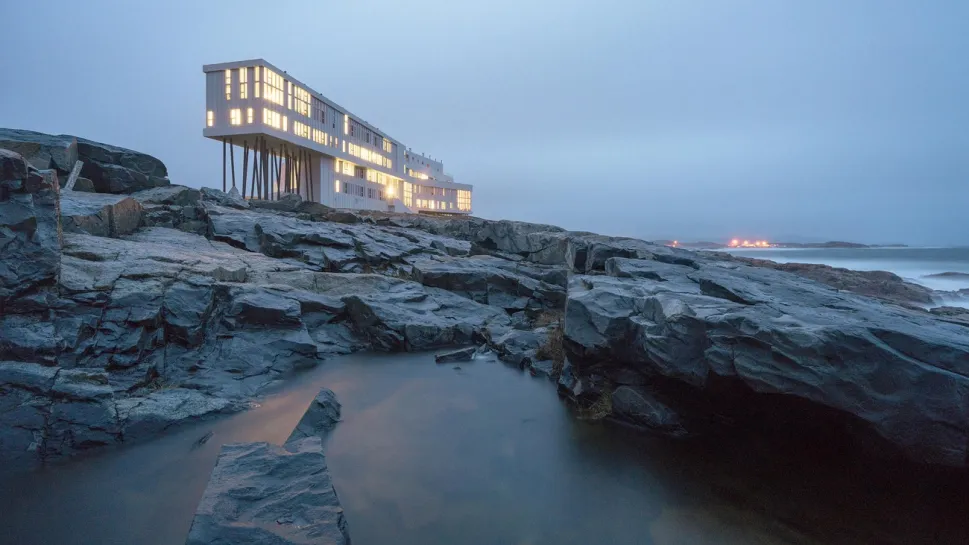
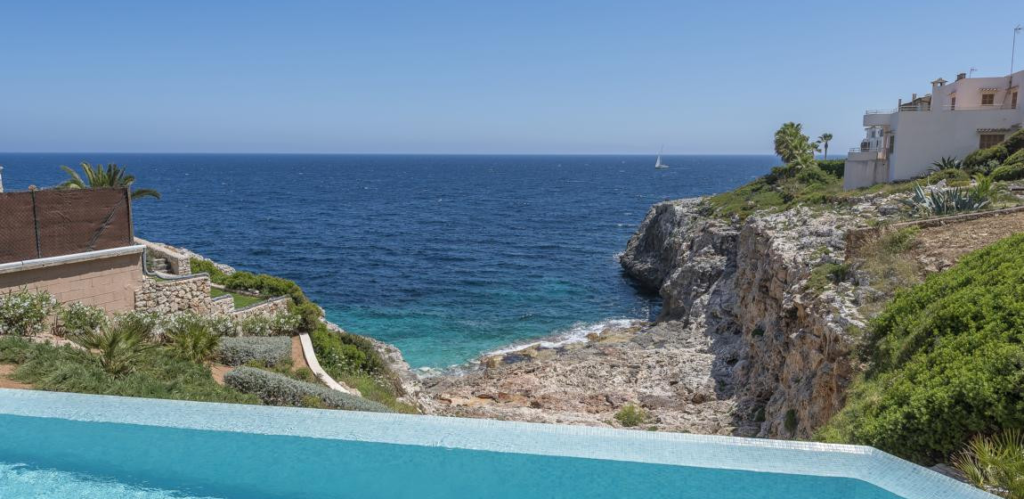
Today’s affluent traveler doesn’t brag about going to Santorini or Aspen. They whisper about a private ecolodge in Puglia or a boutique cliffside villa in Madeira.
5. Sustainability Matters
Eco-conscious luxury is exploding, with Americans prioritizing:
- Carbon-neutral resorts
- Regenerative farms
- Locally sourced architectural materials
- Nature-centered wellness
The New Boutique Hideaway Map: Where Wealthy Americans Are Actually Going (2024–2025)
Below is a curated list of fast-growing boutique destinations attracting wealthy Americans. These are broken into domestic, island, and international categories, each supported with real-world trends and behavioral insights.
1. Under-the-Radar U.S. Escapes
Sedona, Arizona — America’s Luxury Wellness Capital
Sedona blends red rock landscapes with deep spiritual energy and high-end wellness facilities. It has become a magnet for entrepreneurs, creatives, and executives seeking quiet rejuvenation.
Why Wealthy Travelers Choose Sedona
- Personalized wellness programs
- Biophilic boutique architecture
- Luxury spas focused on longevity and recovery
- High-end art & culture
Real-Life Example:
A Los Angeles entrepreneur booked a week-long stay at a boutique wellness retreat and ended up purchasing a second home.
Big Sky, Montana — The Next Billionaire Mountain Town
As Aspen becomes overcrowded and ultra-expensive, Big Sky has emerged as a more private alternative.
What Attracts Affluent Travelers
- Private ski-in/ski-out lodges
- Ranch-style boutique resorts
- Vast, uncrowded wilderness
- Exclusive members-only clubs
CNBC reports that luxury home prices in Big Sky rose 18% in 2023, driven primarily by tech wealth.
Hudson Valley, New York — Quiet Elegance Near NYC
The Hudson Valley has evolved into a discreet escape for financiers, artists, and wellness-focused travelers.
Why It’s Popular
- Farm-to-table boutique hotels
- Michelin-caliber dining
- Historic mansions turned into intimate inns
- Hiking, vineyards, wellness barns
Destinations like Troutbeck and Inness are among the most booked boutique properties in the Northeast.
2. Boutique Islands Wealthy Americans Are Flocking To
Lanai, Hawaii — An Exclusive Private-Island Feel
Lanai is one of the least-visited Hawaiian islands, offering an upscale, nearly crowd-free environment.
Why It Appeals
- Ultra-exclusive Four Seasons resorts
- Low tourism density
- Private Jeep-access wilderness
- High-end wellness immersion
Orcas Island, Washington — The Pacific Northwest’s Hidden Sanctuary
Orcas Island blends natural beauty with boutique luxury, perfect for those who want digital silence.
What the Elite Love
- Forest-immersed lodges
- Private cabins with chef services
- Whale watching
- Zero paparazzi
- Slow-living culture
3. International Boutique Hideaway Map
San Miguel de Allende, Mexico — Art, Culture & Quiet Luxury
San Miguel has long attracted artists, but today, it draws wealthy Americans seeking culture and beauty.
Why It’s Trending
- Rooftop boutique hotels
- Private chef–run villas
- Vibrant art community
- UNESCO-listed architecture
Many remote-working Americans are now spending months at a time here.
Madeira, Portugal — Europe’s Untouched Island Luxury
Often called “the Hawaii of Europe”, Madeira is lush, safe, and visually dramatic.
Why It’s Rising Fast
- Cliffside boutique eco-hotels
- Vineyards & volcanic hiking
- Perfect year-round weather
- Great value for luxury
Portugal saw a 31% increase in American travelers in 2023, many of them wealthy remote workers.
Puglia, Italy — The Anti-Amalfi Coast
Puglia offers understated elegance without Amalfi’s crowds or high prices.
Why Affluent Americans Love It
- Masseria-style boutique estates
- Turquoise beaches
- Farm-to-table cuisine
- Design-forward coastal towns
Koh Samui, Thailand — The Ultra-Wellness Asian Hideaway
A favorite for tech founders and executives seeking deep rejuvenation.
What It Offers
- Beachfront boutique spas
- Holistic healing centers
- Luxury villas with staff
- Detox and longevity retreats
Top Search Questions Americans Are Asking About Boutique Hideaways
1. Why are wealthy Americans avoiding traditional luxury resorts?
Over-tourism, lack of privacy, repetitive resort design, and a desire for more authentic experiences.
2. What defines a boutique hideaway?
Small-scale luxury accommodations offering exclusivity, personalized service, and local immersion.
3. What trends are shaping luxury travel in 2024–2025?
Quiet luxury, eco-conscious travel, long stays, and meaningful cultural experiences.
4. Are boutique destinations more exclusive?
Yes—many have limited rooms (20–60) and minimum-stay requirements.
Key Characteristics Wealthy Travelers Prioritize Now
Modern affluent travelers look for:
- Hidden destinations with low visibility
- Personalized itineraries
- Architecture integrated with nature
- High sustainability standards
- Private villas or small lodges
- Michelin-level food experiences
- Space, serenity, authenticity
These qualities define the new luxury landscape.
Real-Life Case Studies Illustrating the Trend
Case Study 1: The Wall Street Family Leaving the Hamptons Behind
After experiencing overcrowded beaches and unpredictable rental experiences, a Manhattan family opted for Maine’s Kennebunkport, where a boutique seaside lodge offered curated activities and true privacy.
Case Study 2: The Tech Founders Who Chose Madeira Over Maui
Citing better climate resilience, lower crowding, and exceptional scenery, a Bay Area couple now spends one month each winter working remotely from a hillside villa.
Case Study 3: The Executive Who Swapped Aspen for Big Sky
Seeking more privacy and less nightlife, he found Montana’s luxury cabins and expansive landscapes a better match for his lifestyle.
Practical Tips: Choosing the Right Boutique Hideaway
Consider your ideal mix of:
- Remoteness vs. accessibility
- Interest in wellness, food, art, or nature
- Required digital connectivity
- Climate preferences
- Property size
- Sustainability ratings
- Availability of private services (drivers, chefs, guides)
These filters help narrow down the ideal hideaway.
10 Frequently Asked Questions (FAQs)
FAQ 1: Where are wealthy Americans traveling instead of traditional destinations?
Big Sky, Orcas Island, Madeira, Puglia, Lanai, and San Miguel de Allende are top picks.
FAQ 2: Why are boutique hideaways gaining popularity?
They offer privacy, curated luxury, and authenticity—qualities missing in large commercial resorts.
FAQ 3: Are boutique destinations more expensive?
Often yes, but they provide a higher value-per-experience ratio.
FAQ 4: What kind of accommodations do wealthy travelers choose?
Private villas, eco-lodges, design-forward boutique hotels, and member-only retreats.
FAQ 5: Do boutique destinations offer better safety?
Yes—most provide controlled environments, private transfers, and multilingual staff.
FAQ 6: How has remote work changed travel patterns?
Affluent Americans now book multi-week stays in scenic, culturally rich destinations.
FAQ 7: What is “quiet luxury” in travel?
A low-profile, understated approach to high-end living and hospitality.
FAQ 8: Are these destinations family-friendly?
Many boutique properties are designed with private childcare, adventure guides, and safe activities.
FAQ 9: How important is sustainability?
Extremely—regenerative, eco-conscious resorts attract high-end travelers seeking responsible travel.
FAQ 10: What are the fastest-growing luxury destinations for Americans?
Madeira (Europe), Big Sky (USA), San Miguel (Mexico), Puglia (Italy), and Lanai (Hawaii).
Final Takeaway
Luxury is being rewritten. Wealthy Americans are moving away from predictable, crowded destinations and embracing boutique hideaways that offer privacy, tranquility, culture, and deeply personalized experiences. From the mountains of Montana to volcanic islands in Portugal, these destinations deliver what modern affluence truly craves: space, stillness, authenticity, and the feeling of being somewhere truly special.
The future of luxury travel is not louder—it’s quieter. Not bigger—it’s more intentional.
And these boutique hideaways are leading the transformation.