

Once dismissed as a symbol of industrial decline, Detroit has quietly transformed into one of America’s most compelling gourmet destinations. Powered by immigrant communities, affordable creative space, and chefs rejecting coastal hype culture, Detroit’s food scene now rivals long-established culinary capitals. This in-depth guide explains why national attention is finally arriving—and why Detroit’s rise may signal the future of American dining.
For Decades, Nobody Looked to Detroit for Food—That Changed Fast
For years, Detroit was discussed almost exclusively in terms of loss.
Manufacturing collapse. Population decline. Empty buildings. When Americans talked about great food cities, Detroit rarely entered the conversation. Culinary prestige belonged to New York, Los Angeles, San Francisco, Chicago, and New Orleans. Detroit existed outside that orbit.
But while the spotlight stayed elsewhere, something unexpected was happening.
Quietly, methodically, and without marketing campaigns, Detroit was building one of the most original, culturally layered, and emotionally grounded food scenes in the country. Not to impress critics. Not to chase trends. But to serve people who lived there.
Now, chefs, journalists, and food-focused travelers are paying attention—and realizing they missed something important.
Detroit didn’t “come back.”
It never stopped cooking.
Why Detroit Was Overlooked for So Long
Detroit’s absence from gourmet conversations had less to do with food quality and more to do with perception.
For decades, national media framed Detroit as a city frozen in economic crisis. Stories focused on abandonment, not creativity. Survival, not innovation. As a result, few outsiders considered Detroit a place to discover food rather than simply eat it.
Several factors reinforced this invisibility:
- Tourism marketing lagged behind coastal cities
- Restaurants focused on serving locals, not food media
- The city lacked Michelin-style branding
- Culinary talent stayed under the radar by choice
Ironically, that invisibility became an advantage.
The Conditions That Made a Gourmet Renaissance Possible
Detroit’s food rise didn’t happen overnight. It was the result of conditions most major food cities lost long ago.
Affordable Space Encouraged Real Creativity
In Detroit, chefs could open restaurants without massive venture backing. Lower rents meant lower risk. Lower risk meant more experimentation.
Chefs could:
- Test ideas without instant profitability pressure
- Refine menus over time instead of chasing trends
- Focus on flavor, not optics
- Build loyal neighborhood followings
This environment rewarded patience instead of spectacle.
Immigrant Communities Built the Culinary Backbone
Detroit has one of the most diverse food landscapes in the Midwest—long before it was fashionable.
The city’s culinary foundation includes:
- One of the largest Arab-American populations in the U.S. (especially in Dearborn)
- Mexican, Yemeni, Bangladeshi, and Chaldean food traditions
- Deep Greek, Polish, and Eastern European roots
- A powerful Black culinary heritage rooted in soul food and innovation
These communities never stopped cooking authentically. What changed is that others finally started paying attention.
The Food That Defines Detroit’s Gourmet Moment
Detroit’s rise isn’t tied to one signature dish. It’s defined by reinterpretation—chefs elevating familiar food without stripping its identity.
Across the city, diners encounter:
- Middle Eastern cuisine refined into tasting menus without losing soul
- Detroit-style pizza reimagined with artisan doughs and fermentation
- Soul food presented with seasonal sourcing and modern technique
- Global flavors expressed confidently, without dilution
- Comfort food treated with fine-dining respect
This is not novelty fusion. It’s cultural evolution.
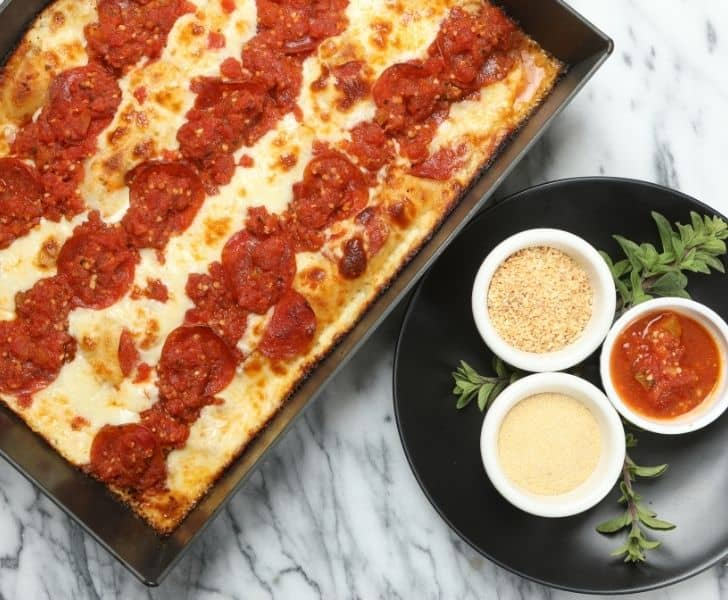
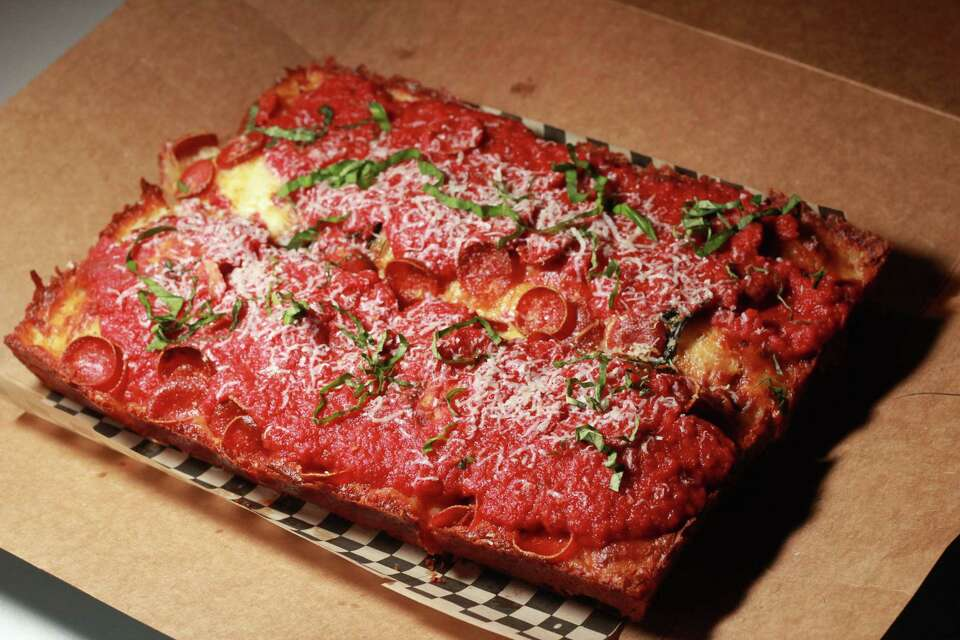
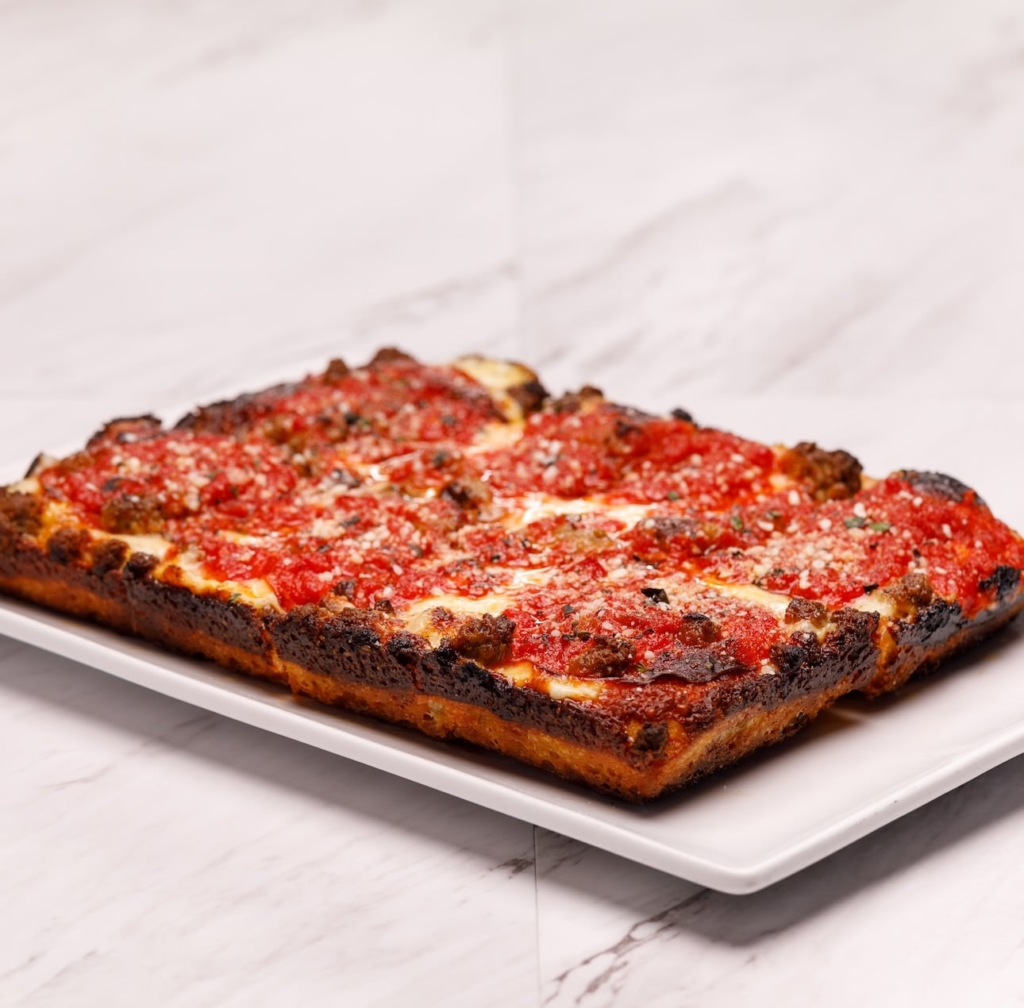
Detroit-Style Pizza: A Symbol, Not a Gimmick
Detroit-style pizza deserves special attention—not because it’s trendy, but because it reflects the city’s culinary philosophy.
What began as a working-class staple baked in automotive pans became a national obsession. Yet in Detroit, chefs didn’t abandon it once it gained fame. They refined it.
They respected its roots. Improved technique. Experimented thoughtfully.
That balance—between pride and progress—mirrors the city’s broader food identity.
How National Attention Finally Found Detroit
Detroit didn’t chase validation. It earned it slowly.
Over recent years:
- National food publications began profiling Detroit chefs
- James Beard Award nominations increasingly included Detroit restaurants
- Culinary influencers highlighted Detroit as a “next-wave” destination
- Pop-ups and chef collaborations attracted outside talent
Once attention arrived, it compounded quickly. Critics realized Detroit wasn’t copying food trends—it was developing them organically.
Why Chefs Are Moving to Detroit by Choice
Detroit isn’t just attracting diners. It’s attracting chefs burned out by coastal food economies.
For culinary professionals, Detroit offers something rare: sustainability.
Chefs cite:
- Creative freedom without investor micromanagement
- Lower operating costs and living expenses
- A collaborative, non-competitive food community
- Diners willing to try unfamiliar flavors
- Respect for authenticity over branding
In Detroit, chefs cook for people—not platforms.
Does Detroit Really Compete With Major Food Cities?
Detroit doesn’t try to out-New-York New York or out-LA Los Angeles.
Instead, it excels where many food cities struggle:
- Depth over hype
- Value over prestige pricing
- Neighborhood loyalty over destination tourism
- Cultural storytelling over visual spectacle
For diners fatigued by overpriced sameness, Detroit feels honest—and refreshing.
What Makes Detroit’s Food Scene Different
Detroit’s gourmet rise isn’t about chasing Michelin stars or Instagram aesthetics. It’s about meaning.
The city’s food culture is defined by:
- Deep ties between chefs and communities
- Menus shaped by migration, history, and resilience
- Restaurants built for locals first, visitors second
- Minimal pretension—even at high-end spots
The food feels personal—because it is.
What Food Travelers Say After Visiting Detroit
First-time visitors often arrive with modest expectations.
They leave surprised.
Common reactions include:
- “I didn’t expect this level of quality.”
- “The food feels grounded, not performative.”
- “Prices are fair for how good this is.”
- “It feels like discovering something early.”
That sense of discovery is Detroit’s greatest asset.
Is Detroit’s Gourmet Rise Sustainable?
All signs suggest yes.
Detroit’s growth isn’t driven by hype cycles or influencer churn. It’s driven by infrastructure—people, culture, and purpose.
Unlike cities that surge and burn out, Detroit’s food scene evolved slowly and community-first.
That makes it resilient.
Practical Advice for Food-Focused Visitors
If you’re planning a food trip to Detroit:
- Explore neighborhoods, not just downtown
- Make reservations—word is spreading fast
- Talk to locals for recommendations
- Don’t skip casual spots
- Allow time; Detroit rewards patience
This is a city best experienced slowly.
What Detroit’s Rise Reveals About American Food Culture
Detroit challenges a long-held assumption: that great food must come from obvious places.
Instead, it proves American cuisine thrives where:
- Cultures overlap authentically
- Economic pressure doesn’t crush creativity
- Chefs cook with memory and meaning
- Community matters more than clout
Detroit isn’t an anomaly.
It’s a preview.
Key Takeaways: Why Detroit Is America’s Hottest Gourmet Surprise
- Years of invisibility allowed originality to flourish
- Immigrant communities built an unmatched culinary base
- Affordable space encouraged experimentation
- National attention followed authenticity
- Detroit offers depth, value, and emotional resonance
This isn’t a comeback story.
It’s a recognition story.
Frequently Asked Questions (Trending Search Queries)
1. Why is Detroit suddenly a gourmet destination?
Ans. Affordable space, immigrant-driven cuisine, and chef creativity combined to fuel a genuine food renaissance.
2. What type of food is Detroit best known for now?
Ans. Modern Middle Eastern cuisine, refined soul food, Detroit-style pizza, and globally inspired fine dining.
3. Is Detroit good for food tourism?
Ans. Yes. It offers high-quality dining with less crowding and better value than many major food cities.
4. Are Detroit restaurants expensive?
Ans. Many provide excellent value compared to coastal gourmet cities.
5. Are notable chefs moving to Detroit?
Ans. Yes. Many relocate for creative freedom and sustainable business models.
6. How does Detroit compare to Chicago or New York food scenes?
Ans. Detroit prioritizes originality and cultural depth over scale or spectacle.
7. Is Detroit safe for food travelers?
Ans. Like any city, neighborhoods vary, but popular food areas are active and welcoming.
8. Which areas should food lovers explore?
Ans. Downtown, Corktown, Midtown, and Dearborn are strong starting points.
9. Is Detroit’s food scene still growing?
Ans. Yes. New restaurants and concepts continue to open steadily.
10. Will Detroit remain a top food destination?
Ans. Its growth is community-driven and structurally sound, making it likely to last.
Final Thought: Detroit Didn’t Chase the Spotlight—and That’s Why It Won
Detroit didn’t reinvent itself for tourists.
It cooked for itself—patiently, proudly, and without apology.
Only now is the rest of the country catching up.
If you want to understand where American dining is heading—not where it’s already been—Detroit isn’t just worth visiting.
It’s essential.