
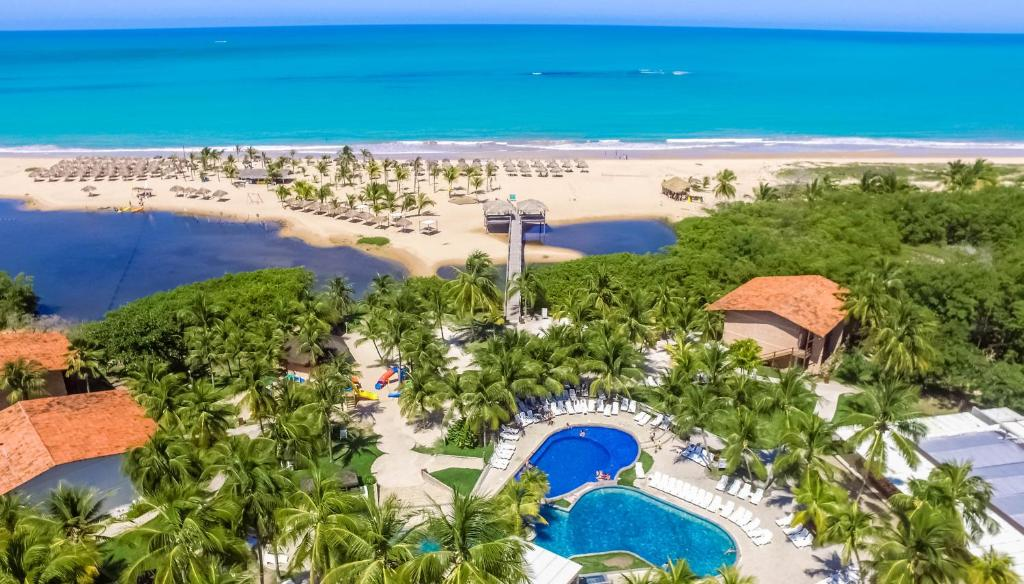
Once considered the epitome of vacation luxury, all-inclusive resorts are rapidly losing their luster. Travelers today crave personalization, authenticity, and flexibility—qualities that mass-market resorts rarely deliver. From boutique eco-retreats to curated adventure travel, here’s why millions are rethinking what “vacation value” really means in 2025—and what they’re booking instead.
The Great Resort Rebellion: Why Travelers Are Saying Goodbye to “All-Inclusive” Vacations
For decades, all-inclusive resorts dominated the travel industry. They promised convenience—unlimited food, free drinks, pre-paid excursions, and no budgeting stress. Yet, in 2025, that promise feels outdated.
Modern travelers, especially Millennials and Gen Z, are seeking experiences that feel genuine and emotionally resonant. They’re tired of cookie-cutter buffets, watered-down cocktails, and gated compounds that could be anywhere from Mexico to the Maldives.
A 2024 Expedia Group report found that 62% of U.S. travelers now prefer “free-form” trips that offer cultural depth and spontaneity—traits that all-inclusive resorts typically lack.
This isn’t just a passing fad—it’s a full-blown shift in travel psychology. Travelers no longer measure luxury by what’s included but by what’s experienced.
1. The Illusion of “All-Inclusive Value”
On paper, all-inclusive vacations seem like a great deal: pay once, worry never. In reality, many guests quickly discover limitations and hidden fees.
Take for example Jared and Melissa, a couple from Denver, who booked a “five-star all-inclusive” in Punta Cana. They found that half the restaurants required advance reservations, top-shelf liquors were extra, and “included” spa treatments carried a surcharge.
Their total bill was 35% higher than expected. “We realized the only thing truly unlimited was disappointment,” Melissa later joked on TripAdvisor.
This story isn’t unique. Travel analysts point out that resort margins rely on upgrades, exclusive packages, and premium experiences outside the all-inclusive base rate.
2. Predictability Has Become the Enemy of Adventure
The modern traveler is chasing novelty, not routine. When every meal tastes the same and every beach looks identical, the sense of discovery disappears.
Most all-inclusive resorts rely on Westernized menus and sanitized entertainment—karaoke nights, buffets, pool games—that could take place anywhere. Travelers today are asking: Where’s the local flavor?
According to Booking.com’s 2025 Travel Trends Report, 73% of travelers say they feel “disconnected from the local culture” during all-inclusive stays.
3. Sustainability Is the New Luxury
In 2025, conscious travel isn’t optional—it’s expected. Many all-inclusive resorts struggle to meet sustainability standards due to their large scale: constant buffets, plastic consumption, and heavy water use.
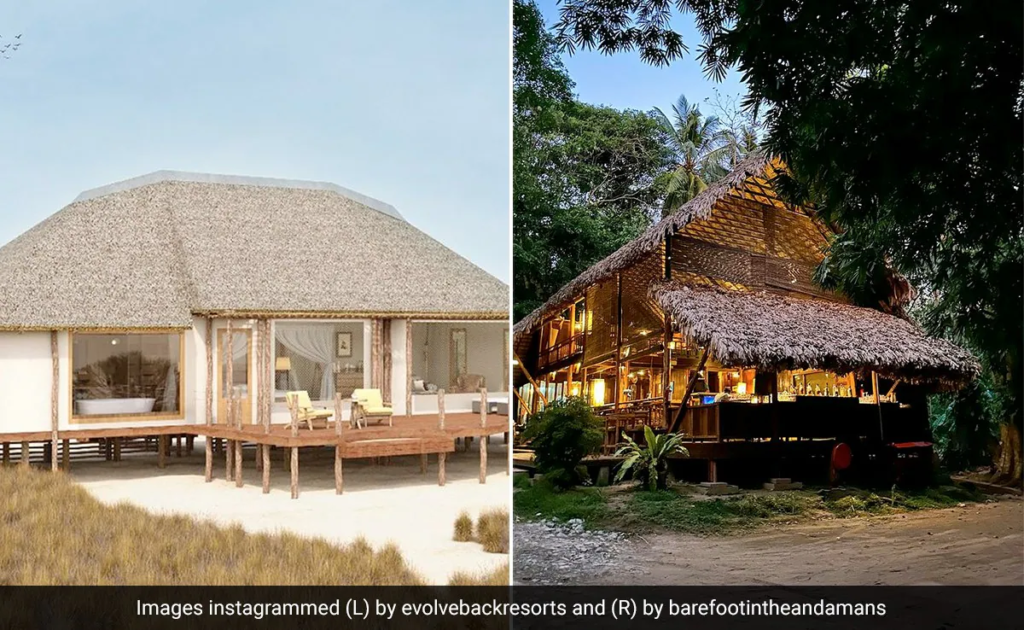
By contrast, eco-retreats and boutique hotels are thriving. Properties like Nayara Tented Camp in Costa Rica or Bambu Indah in Bali are leading a new wave of “eco-luxury”—solar-powered, low-impact, and community-driven.
The Booking.com Sustainable Travel Report shows that 74% of global travelers now prioritize eco-friendly lodging. People no longer want to relax at the expense of the planet.
4. Cultural Connection Is the New Currency
Travel is becoming a form of self-education. Tourists now crave real conversations with locals, hands-on cooking classes, and experiences that go beyond the resort walls.
An American Express Travel Insight Report (2025) found that travelers are willing to pay 30% more for authentic cultural engagement than for traditional amenities.
That’s why immersive stays—like vineyard cottages in Tuscany or homestays in Oaxaca—are gaining traction. They let travelers live the destination instead of merely visiting it.
5. The Rise of “Workcation” and Slow Travel
Remote work transformed travel behavior forever. Many travelers now blend productivity with leisure, staying weeks—or even months—at a destination.
All-inclusive resorts, designed for short, high-consumption stays, don’t fit that lifestyle. Instead, travelers are booking Airbnbs with co-working access, extended-stay boutique hotels, or eco-lodges with fiber internet.
Slow travel allows visitors to experience a place like locals do—shopping at neighborhood markets, learning local customs, and forming long-term connections.
What Travelers Are Booking Instead
As the all-inclusive model declines, several new categories are taking center stage:
1. Boutique Eco-Retreats
Small, design-forward resorts that blend sustainability with style are surging in popularity. Think solar-powered villas, organic gardens, and community involvement. Examples:
- Nayara Springs (Costa Rica) — rainforest immersion with luxury touches.
- Shinta Mani Wild (Cambodia) — a conservation-based glamping retreat.
2. Airbnb & Local Homestays
Travelers want to stay in places with personality. Airbnb reports a 32% increase in community-based listings since 2023. Hosts often double as guides, offering insider access to local life.
3. Wellness and Adventure Travel
Wellness tourism is booming. From yoga retreats in Tulum to Arctic hikes in Iceland, people are choosing experiences that rejuvenate body and soul.
According to the Global Wellness Institute, the wellness travel market is projected to hit $1.3 trillion by 2025.
4. Curated, Customizable Trips
With the rise of digital tools like GetYourGuide, Luxury Escapes, and Roadtrippers, travelers can now design their own itineraries. This freedom to curate is redefining the modern vacation.
5. Micro-Cruises and Local Exploration
Smaller cruises and regional journeys (like Alaskan eco-sailings or European canal voyages) give travelers the convenience of structure without the confinement of a resort.
The Generational Factor: Who’s Driving the Shift?
- Gen Z (ages 18–27): Value sustainability, social media authenticity, and spontaneity.
- Millennials (ages 28–43): Seek unique experiences that align with personal growth and work-life balance.
- Gen X & Boomers: Many are following suit, looking for meaningful travel over material indulgence.
This generational convergence is pushing the industry toward smaller, smarter, and more authentic experiences.
Case Study: How Mexico’s “Un-Resorts” Are Winning
Riviera Maya—once synonymous with all-inclusive megacomplexes—is transforming.
Boutique brands like Habitas Tulum offer a radically different experience: community dinners instead of buffets, yoga by sunrise, and live music under the stars. Guests describe it as “luxury with a soul.”
These hybrid “un-resorts” blend comfort with conscience. The result? 95% satisfaction ratings, viral online buzz, and a new standard for what “escape” means.
How Resorts Are Trying to Adapt
The big brands aren’t standing still.
- Club Med has introduced “semi-inclusive” models, allowing guests to book local experiences independently.
- Sandals Resorts launched “Eat Local Nights” featuring regional chefs and produce.
- Hilton and Hyatt are investing in boutique sub-brands like Motto, Caption, and Andaz to attract modern travelers.
In other words, the future of travel isn’t exclusion—it’s evolution.
How to Plan a More Authentic, Flexible Vacation
If you’re ready to break free from the all-inclusive mold, here are some practical steps:
- Choose locally owned accommodations to support communities directly.
- Book fewer destinations, stay longer. Depth over distance is the new luxury.
- Seek sustainable certifications (like Green Globe or EarthCheck).
- Plan flexible itineraries that allow spontaneous detours.
- Engage local guides for tours, cooking classes, and workshops.
- Use digital planning tools (TripIt, Culture Trip, Polarsteps) for easy customization.
- Mix leisure with learning—take a class, volunteer, or explore local art.
10 Frequently Asked Questions (FAQs)
1. Why are travelers moving away from all-inclusive resorts?
Because they crave flexibility, authenticity, and sustainable experiences that mass resorts often fail to provide.
2. Are all-inclusive resorts still good for families?
Yes—for families with young children, the simplicity and safety can still appeal. But families with older kids often prefer more diverse, exploratory vacations.
3. Is independent travel more expensive?
Not necessarily. Travelers often find that customizing their trips offers better value and more meaningful experiences.
4. What are the top destinations for eco-luxury travel?
Costa Rica, Iceland, New Zealand, Indonesia (Bali), and Portugal’s Azores are leading eco-friendly travel markets.
5. Are resorts adapting to this trend?
Yes. Many are rebranding as hybrid “experiential” or “semi-inclusive” destinations offering flexibility and cultural connection.
6. How does sustainability influence booking choices?
Eco-certifications, waste reduction practices, and local partnerships are now decisive factors for travelers.
7. What travel apps help plan flexible trips?
Try Roadtrippers, GetYourGuide, TripIt, and Culture Trip for customizable itineraries.
8. What’s replacing all-inclusive vacations?
Boutique eco-retreats, Airbnb stays, adventure travel, and wellness getaways are replacing traditional resort packages.
9. Do travelers still value luxury?
Yes—but they define it differently. Today’s luxury is about personalization, privacy, and purpose—not excess.
10. What’s the future of all-inclusive resorts?
They’ll evolve into more adaptive, experience-driven models blending local authenticity with curated convenience.
Final Thoughts: Redefining the Meaning of Luxury Travel
The decline of all-inclusive resorts doesn’t mean travelers are rejecting comfort—they’re rejecting confinement.
The new age of travel is about curiosity, culture, and conscious choice. Whether it’s a yoga retreat in the mountains or a homestay in a coastal village, today’s explorers want to feel something real.
The message is clear: the best vacations aren’t the ones that include everything—they’re the ones that mean something.