
One private island has become a symbol of how extreme wealth reshapes reality. Operating under customized legal agreements, controlled access, and private governance, this billionaire island functions almost like a micro-state. This in-depth report explores how it works, who controls it, why billionaires want places like this, and what its existence reveals about the future of wealth, privacy, and power.
Why Are Americans Searching for “Billionaire Islands With Their Own Laws”?
Over the last few years, search interest around phrases like “billionaire private island,” “islands with their own rules,” “rich people secret islands,” and “can an island have its own laws” has steadily increased across the U.S.
This curiosity goes far beyond travel fascination.
It reflects a growing cultural unease about inequality, privacy, and power. As billionaires accumulate wealth on a scale larger than many national budgets, people are asking a simple but unsettling question:
What happens when money buys not just luxury—but autonomy from society itself?
Private islands have become the most visible symbol of this shift. They offer isolation, discretion, and something increasingly rare in modern life: control over who enters your world.
One island, in particular, stands out for how far this concept has gone.
Which Island Is Known as “The Billionaire Island With Its Own Laws”?
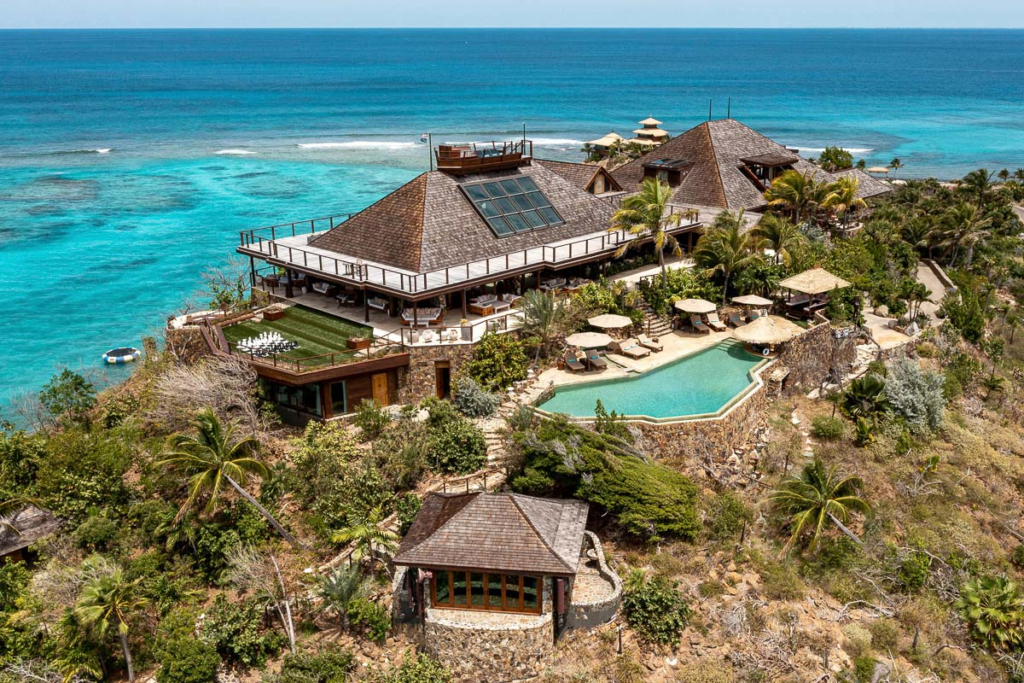
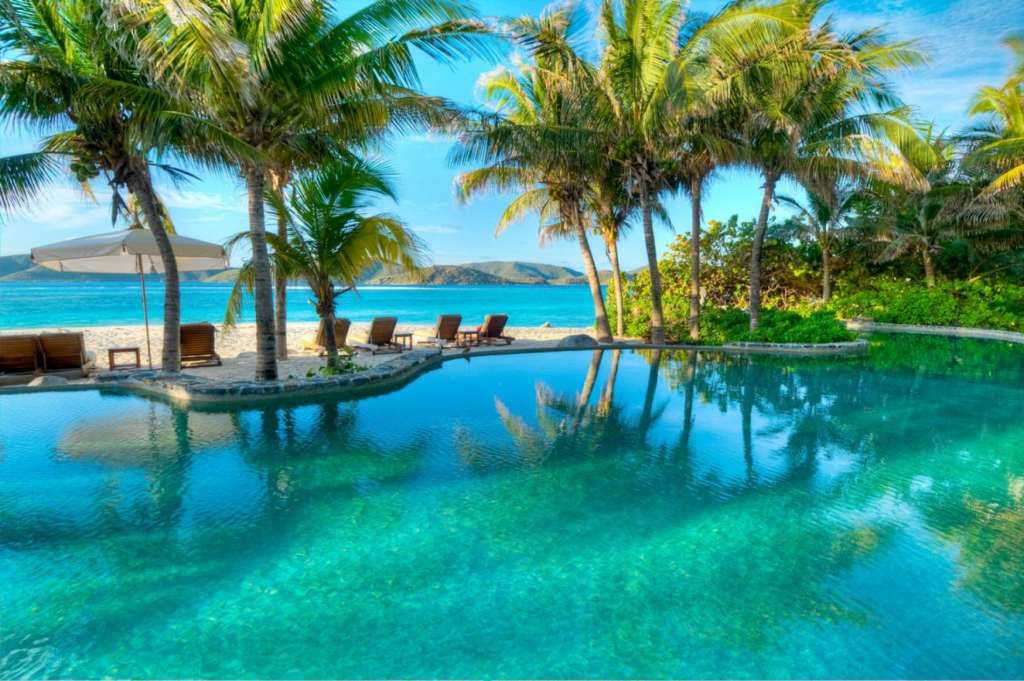
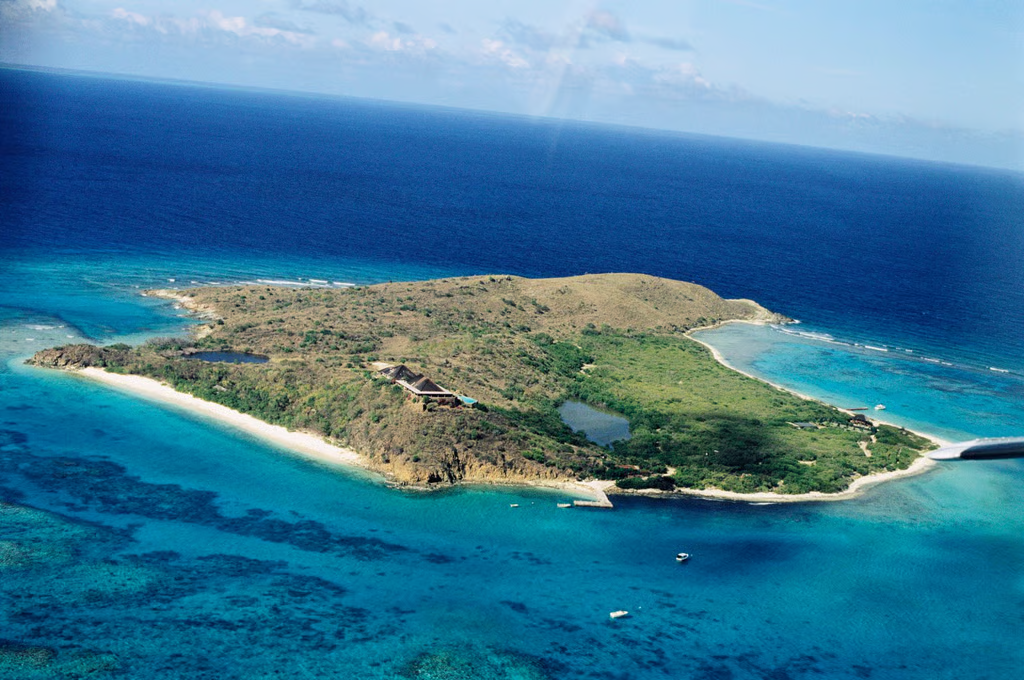
The most frequently cited example is Necker Island, owned by billionaire entrepreneur Sir Richard Branson, founder of the Virgin Group.
Located in the British Virgin Islands (BVI), Necker Island operates under special legal and administrative agreements negotiated directly with the local government. While it is not an independent nation, its governance structure gives its owner extraordinary authority over access, land use, security, and internal operations.
Comparable examples exist—such as Lanai in Hawaii (largely owned by Oracle founder Larry Ellison) and Musha Cay in the Bahamas—but Necker Island remains the most emblematic case of a billionaire enclave operating under highly customized rules.
What Does It Actually Mean When an Island “Has Its Own Laws”?
Despite dramatic headlines, billionaire islands do not usually abolish national law. Instead, they function under bespoke legal frameworks that replace many public regulations with private governance systems.
In practical terms, this means daily life on the island is governed less by public statutes and more by contracts, permissions, and private enforcement mechanisms.
In effect, this allows:
- Complete control over who may enter the island
- Private rules replacing public access rights
- Island-specific environmental and building regulations
- Privately enforced privacy and security policies
- Legal restrictions on photography, media, and speech
While national sovereignty technically remains intact, the lived reality feels closer to a corporate micro-state than a public place.
How Did Necker Island Become a Billionaire Legal Enclave?
Richard Branson purchased Necker Island in 1978 for approximately $180,000, after the original owner struggled to develop it. At the time, the island lacked infrastructure and was considered commercially risky.
Over decades, Branson transformed it into one of the world’s most exclusive private retreats—hosting world leaders, royalty, celebrities, and billionaires.
Crucially, every phase of development was negotiated directly with the British Virgin Islands government. These negotiations produced tailored legal arrangements that granted exceptional autonomy in exchange for investment, employment, and controlled tourism revenue.
This public-private partnership model later inspired other ultra-wealthy individuals to pursue similar arrangements globally.
What Rules Are Different on a Billionaire Island?
While national laws still apply in principle, daily operations are governed by private rules enforced through contracts, staff agreements, and security protocols.
These rules are designed to maximize privacy, discretion, and control.
Common island-specific rules include:
- No unapproved visitors under any circumstances
- Mandatory non-disclosure agreements for guests and staff
- Strict bans on unauthorized photography and drones
- Controlled communication and media access
- Private environmental standards exceeding public law
Guests are not tourists—they are participants in a tightly controlled ecosystem.
Who Is Actually Allowed to Visit a Billionaire Island?
Access is the most powerful “law” on a billionaire island.
There are no public ferries, no spontaneous arrivals, and no accidental encounters. Every visitor is vetted, approved, and documented in advance.
Typical guests include:
- Billionaires and centi-millionaires
- Heads of state and senior diplomats
- Tech founders and financial elites
- Celebrities requiring extreme privacy
For many visitors, the greatest luxury isn’t the villas or beaches—it’s the absence of visibility.
Why Billionaires Want Islands With Custom Legal Control
The appeal goes far beyond tropical scenery.
For ultra-wealthy individuals, these islands solve problems that wealth alone cannot fix.
Core motivations include:
- Absolute privacy in an era of constant surveillance
- Protection from paparazzi, activists, and cyber threats
- Full control over security and emergency response
- Freedom from public protest and demonstration laws
- Confidential environments for sensitive meetings
In essence, these islands offer sovereignty without statehood.
How Is Law and Order Enforced Without Public Police?
Security on billionaire islands is typically handled by private firms staffed by former military, intelligence, and special-forces professionals.
Unlike public police, these teams operate under private contracts rather than democratic oversight.
Typical security measures include:
- Maritime exclusion zones
- Radar and surveillance systems
- Armed private patrols
- Restricted airspace coordination
- Rapid evacuation and medical response
Legally, enforcement relies on private property law, trespassing statutes, and international maritime regulations.
Is This Entirely Legal — Or a Gray Area?
Billionaire islands exist in a carefully negotiated legal space.
They are legal because:
- Governments formally approve ownership and development
- National sovereignty remains intact
- Tax obligations are fulfilled according to jurisdiction
However, critics argue these islands exploit gaps in governance, allowing wealth to bypass democratic accountability.
Legal scholars increasingly refer to this phenomenon as “privatized sovereignty.”
What Experts Say About Billionaire Islands
Economists studying global inequality note that private islands represent a broader trend: the physical separation of extreme wealth from shared public systems.
Sociologists warn that when elites withdraw into private worlds, civic trust weakens. Political theorists argue that parallel legal systems undermine the idea of equal citizenship.
While billionaire islands generate some local jobs and investment, they also reduce transparency and accountability.
Are There More Billionaire Islands Like This?
Yes—and their number is growing.
Notable examples include:
- Lanai, Hawaii — majority-owned by Larry Ellison
- Musha Cay, Bahamas — owned by David Copperfield
- Norman’s Cay, Bahamas — historically linked to elite private use
Each operates under different legal agreements, but all prioritize private control over public access.
Can Regular People Ever Visit These Islands?
In limited cases, yes—but not as traditional tourists.
Some islands allow rentals costing $75,000–$150,000 per night, typically booked by corporations, ultra-wealthy groups, or private events.
Even then, guests must sign extensive legal contracts governing:
- Privacy
- Media use
- Behavior
- Confidentiality
Breaking these rules can result in immediate removal and legal penalties.
What the Rise of Billionaire Islands Says About the Future
These islands are more than curiosities—they are signals.
They suggest a future where:
- Wealth creates parallel realities
- Privacy becomes a luxury commodity
- Governance fragments along economic lines
The deeper question is no longer whether these islands are legal—but what they mean for the idea of shared society.
Frequently Asked Questions
1. Does any island really have its own laws?
Ans. No private island is a sovereign nation, but some operate under customized legal frameworks that grant owners exceptional control.
2. Who owns the most famous billionaire island?
Ans. Necker Island is owned by Richard Branson and operates under special agreements with the British Virgin Islands.
3. Is it legal for billionaires to control islands like this?
Ans. Yes, when ownership and governance are approved by national governments.
4. Can anyone buy an island and make their own rules?
Ans. No. Such arrangements require extensive legal negotiation and government consent.
5. Are billionaire islands more secure than normal resorts?
Ans. Yes. They typically employ private security systems exceeding standard resort protections.
6. Do billionaire islands pay taxes?
Ans. Yes, though tax structures vary by jurisdiction and agreement.
7. Are billionaire islands controversial?
Ans. Yes. Critics argue they deepen inequality and weaken democratic norms.
8. Can journalists visit these islands?
Ans. Rarely, and only with strict permission and legal agreements.
9. Are billionaire islands becoming more common?
Ans. Yes, as wealth concentration and privacy concerns increase.
10. What do billionaire islands reveal about modern society?
Ans. They highlight how extreme wealth increasingly reshapes law, privacy, and power.
Final Reflection: When Wealth Builds Its Own World
The billionaire island is not just about luxury—it’s about control over reality itself.
It represents a moment where money doesn’t merely buy comfort, but autonomy, privacy, and rule-making power. Whether this trend is an innovation or a warning depends on a question society has yet to answer:
Should wealth ever place someone beyond the rules the rest of us live by?