
Across the United States, one gourmet ingredient has seen a staggering price surge—up to 500% more than it once cost. Despite the shock, demand keeps climbing. From Michelin-star kitchens to everyday home cooks, Americans are willingly paying the premium for exceptional flavor, proven health benefits, and sustainable sourcing. This in-depth guide explains what’s driving the price spike, who’s buying it, and why the value may justify the cost.
The Quiet Grocery Item That Became a Luxury
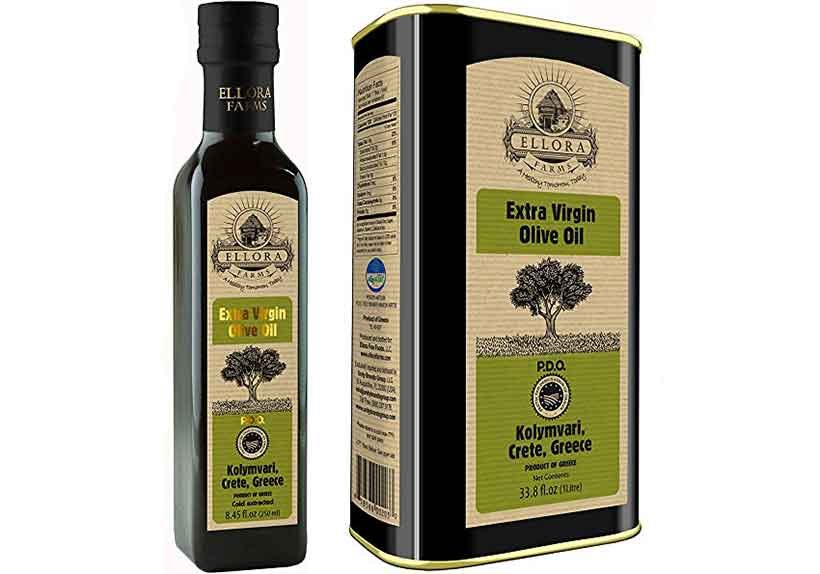
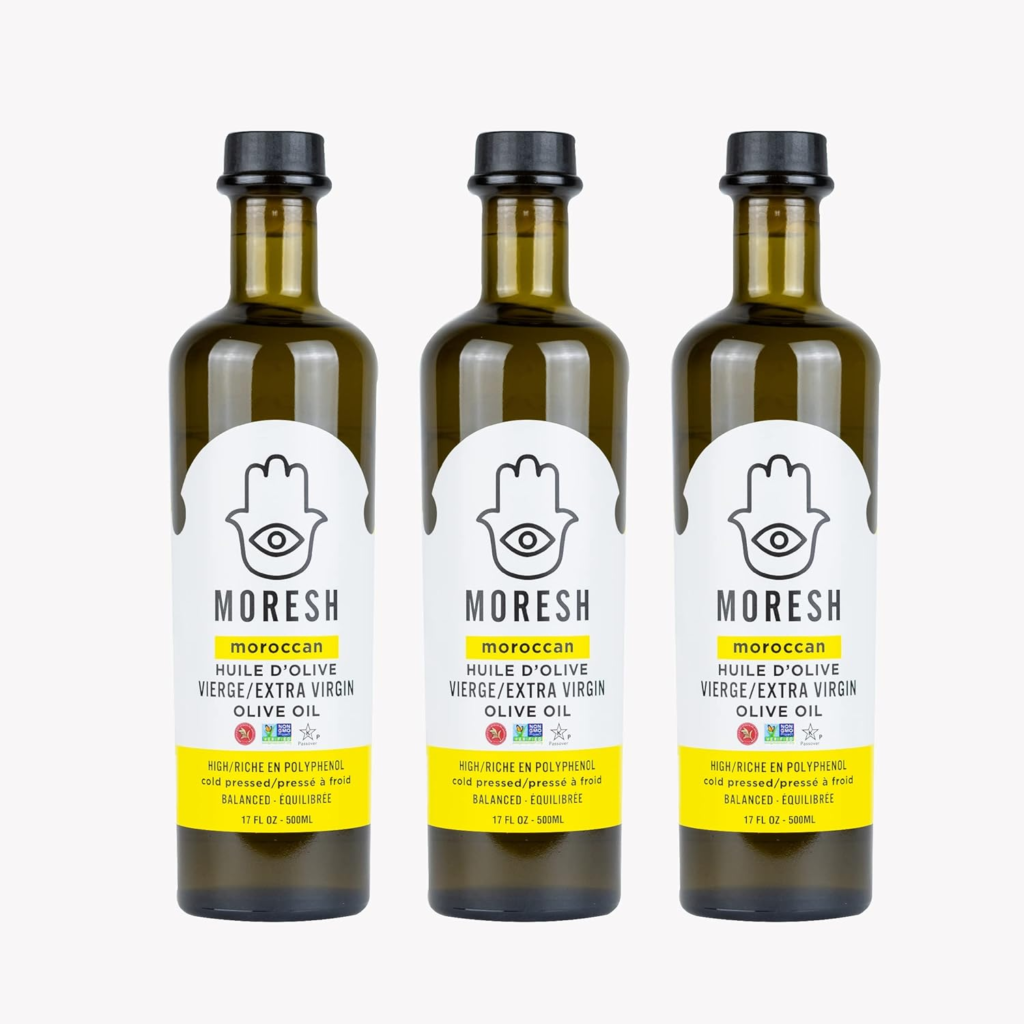
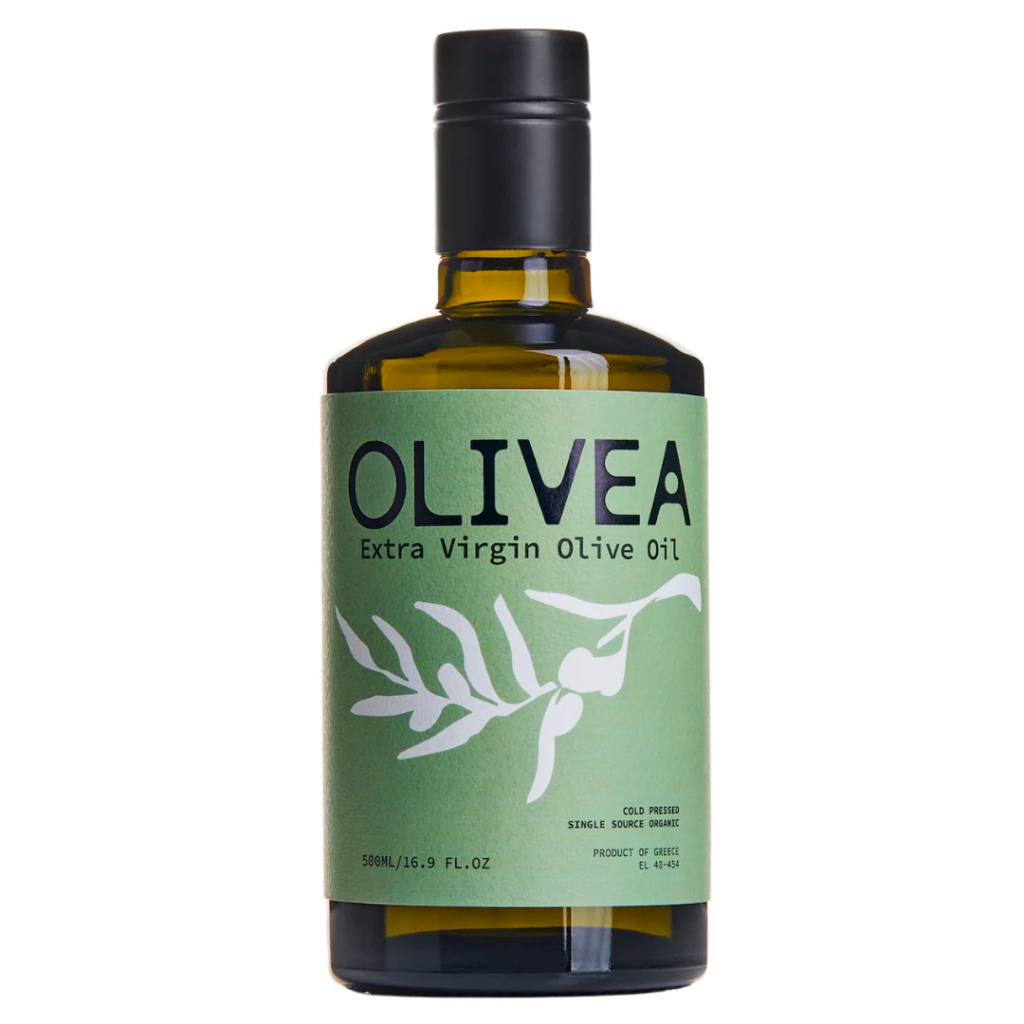
In upscale grocery stores across New York, San Francisco, Chicago, and Los Angeles, shoppers often pause at the same shelf. Small, dark glass bottles—sometimes locked behind display cases—carry price tags that feel more appropriate for fine wine than cooking oil.
We’re talking about high-quality, single-origin extra-virgin olive oil.
What once cost $15 or $20 a decade ago now regularly sells for $60, $80, or even more. Some limited harvest bottles exceed $100. That’s a 300% to 500% increase, depending on the producer, origin, and harvest year.
Yet sales are rising—not falling.
This isn’t driven by impulse buying or foodie hype alone. It reflects a fundamental shift in how Americans understand food quality, health, and value.
Why Olive Oil Became the Most Expensive Staple in America
For generations, olive oil was treated as a generic pantry item. Americans grabbed whatever bottle was on sale, assuming olive oil was olive oil.
That assumption collapsed.
Over the past decade, investigative testing revealed that many mass-market olive oils were stale, blended, or mislabeled. At the same time, chefs, nutritionists, and food scientists began educating consumers about what true extra-virgin olive oil actually is.
The result was a wake-up call.
Suddenly, olive oil wasn’t just fat—it was a fresh agricultural product, similar to wine or coffee, with massive quality variation.
Once consumers understood that difference, price sensitivity changed almost overnight.
What Makes This Olive Oil Worth 500% More?
The olive oil Americans are paying a premium for today is fundamentally different from supermarket blends.
It is typically:
- Harvested early for higher antioxidant content
- Cold-pressed within hours of picking
- Produced in small batches
- Sourced from a single estate or region
- Stored and shipped to preserve freshness
Most grocery-store olive oils are blends from multiple countries, refined for shelf stability, and may already be months—or years—old by the time they’re opened.
Fresh, high-quality olive oil, by contrast, is seasonal, fragile, and time-sensitive. Producing it well is expensive—and getting harder.
The Flavor Difference Americans Can’t Ignore
Taste is the turning point.
Chefs describe premium olive oil as vibrant, grassy, peppery, or fruity. Many people experience a slight burn at the back of the throat—a sign of high polyphenol content.
Lower-quality oils taste flat, greasy, or even rancid once heated.
In professional kitchens, olive oil is no longer just a cooking medium. It’s used as:
- A finishing drizzle
- A flavor enhancer
- A substitute for heavy sauces
- A balancing element in simple dishes
One New York chef noted that switching to single-origin olive oil allowed him to reduce salt and acid across his menu. “The oil does the work,” he explained.
Why Health-Focused Americans Are Driving Demand
Health has become a major factor behind the price surge.
Studies published by institutions such as Harvard Health consistently link high-quality extra-virgin olive oil to:
- Reduced inflammation
- Improved cardiovascular health
- Lower risk of chronic disease
- Better metabolic markers
But there’s an important nuance: these benefits correlate strongly with polyphenol levels, which are highest in fresh, early-harvest oils.
Many mass-market olive oils contain far fewer polyphenols due to processing, blending, and age.
For Americans already investing in supplements, organic food, and wellness routines, paying more for a daily ingredient that delivers measurable benefits feels logical—not indulgent.
Real-Life Example: Why Home Cooks Are Paying More
This trend isn’t limited to elite kitchens.
In Austin, Texas, a specialty food store reports that premium olive oil sales have doubled in three years. Customers often buy smaller bottles—but return frequently.
One shopper described the shift simply:
“I stopped buying fancy sauces. I just use better oil. Everything tastes better.”
For many households, the economics make sense. Better oil means less oil used, less food waste, and more enjoyable meals.
Climate Change and the Olive Oil Supply Crisis
The dramatic price increase isn’t artificial—it reflects real scarcity.
Southern Europe has faced severe droughts and heat waves that significantly reduced olive yields. Olive trees take years to mature, so production can’t quickly rebound.
According to data from the International Olive Council, global olive oil output has dropped in recent years, while demand—especially from the U.S.—has continued rising.
At the same time:
- Labor costs are increasing
- Quality standards are tightening
- Small producers are refusing to scale at the expense of quality
The oils Americans want most are the hardest to produce.
Is This Just Another Food Trend?
Skeptics often compare premium olive oil to past food fads.
But the data suggests otherwise.
This mirrors what happened with:
- Specialty coffee
- Craft beer
- Single-origin chocolate
Once consumers learn how quality affects flavor and health, they rarely return to lower standards.
This isn’t about luxury signaling. It’s about value clarity.
How to Spot Olive Oil That’s Actually Worth the Price
Not all expensive olive oil deserves its cost.
Before paying a premium, look for:
- A harvest date (not just “best by”)
- Dark glass or metal packaging
- Clear country or estate of origin
- Certification seals
- A peppery bite when tasting
If an oil tastes bland or greasy, it’s not premium—no matter the price tag.
The Sustainability Argument Americans Care About
Many premium olive oils come from small farms using regenerative practices. These producers protect soil health, biodiversity, and rural livelihoods.
For American consumers increasingly concerned about supply chains, paying more feels like an ethical decision—not just a culinary one.
It’s indulgence aligned with values.
Should Everyone Pay 500% More?
No—and that matters.
Premium olive oil isn’t meant for every use.
Experts recommend using it for:
- Salads and dressings
- Finishing dishes
- Bread dipping
- Low-heat cooking
More affordable oils still make sense for high-heat frying or bulk cooking.
The value lies in strategic use, not replacement.
Practical Takeaways for Smart Shoppers
If you’re curious but cautious:
- Start with a small bottle
- Compare side by side with standard oil
- Use it where flavor matters most
- Store it properly (cool and dark)
- Treat it as fresh—not shelf-stable
Most first-time buyers say the difference is immediate.
Frequently Asked Questions (Trending Searches)
1. What gourmet ingredient are Americans paying 500% more for?
Ans. High-quality, single-origin extra-virgin olive oil has seen price increases of up to 500% due to demand, scarcity, and production costs.
2. Why has premium olive oil become so expensive?
Ans. Climate change, reduced harvests, higher labor costs, and rising demand for high-polyphenol oils have driven prices upward.
3. Is expensive olive oil really healthier?
Ans. Yes. Fresh, high-quality olive oil contains more antioxidants and anti-inflammatory compounds than mass-market varieties.
4. How can I tell if olive oil is truly high quality?
Ans. Look for harvest dates, single-origin labeling, dark packaging, and a peppery sensation when tasting.
5. Do professional chefs actually use expensive olive oil?
Ans. Yes, especially for finishing dishes where flavor has the greatest impact.
6. Can cheap olive oil be bad for you?
Ans. Not necessarily harmful, but it may lack the health benefits of high-quality extra-virgin olive oil.
7. Is this price surge just a food trend?
Ans. Evidence suggests it’s a lasting shift similar to specialty coffee or wine appreciation.
8. Should I cook with expensive olive oil?
Ans. It’s best used for low-heat cooking or finishing, not high-heat frying.
9. Are American olive oils as good as European ones?
Ans. Yes. California and Texas producers now produce world-class olive oils.
10. Will olive oil prices keep rising?
Ans. Many experts believe premium olive oil prices may continue increasing due to climate and supply pressures.
Final Thoughts: When Paying More Actually Makes Sense
The gourmet ingredient Americans are paying 500% more for isn’t a symbol of excess—it’s a reflection of informed choice.
High-quality olive oil delivers superior flavor, real health benefits, and sustainable production. For many Americans, that combination makes the price not just acceptable—but worthwhile.
Sometimes, spending more doesn’t mean indulging.
It means choosing better.