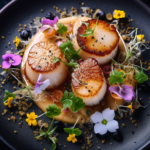

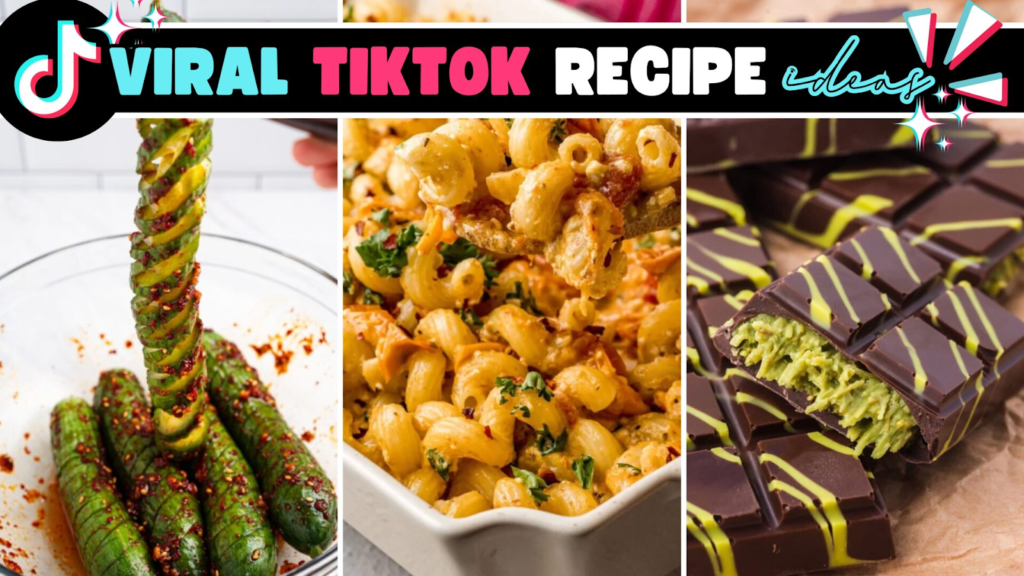
A 2-minute TikTok recipe has shocked the culinary world by winning a major food award—beating dishes created by professionally trained chefs. The decision sparked outrage across restaurants and culinary schools. This deep-dive explains what actually happened, why chefs are angry, how social media is reshaping food authority, and what this moment reveals about the future of cooking culture in America.
Introduction: When a Smartphone Outshines Culinary School
For generations, the path to culinary recognition was painfully clear. You trained for years. You worked brutal hours. You earned respect one service at a time. Eventually—if you were lucky—you received validation from critics, guides, or awards.
Then a 2-minute TikTok recipe won a major culinary award.
No culinary degree.
No fine-dining restaurant.
No tasting menu.
Just a smartphone, a home kitchen, and an algorithm.
Within hours, social media erupted. Millions celebrated what felt like a win for everyday cooks. At the same time, professional chefs reacted with disbelief, anger, and—in some cases—open outrage.
But this moment wasn’t really about a recipe. It was about power, relevance, and who gets to define “good food” in the modern age.
What Actually Happened?
The award-winning recipe originated on TikTok, posted by a creator with no formal culinary background. The dish was intentionally simple: minimal ingredients, minimal prep, and a clear promise—anyone could make it in under two minutes.
The video exploded, racking up tens of millions of views. Home cooks replicated it. Families shared it. Even professional chefs admitted, privately, that it tasted good.
When a respected culinary organization later recognized the recipe for innovation and cultural impact, the backlash was immediate.
To many chefs, it felt like the rules had been rewritten without their consent.
Why Did This TikTok Recipe Win a Culinary Award?
The outrage only makes sense if you assume awards judge food purely on technique.
Many no longer do.
According to reporting from food industry publications such as Eater and The New York Times, several culinary institutions have quietly expanded their criteria in recent years. Alongside flavor and execution, they now consider:
- Cultural relevance
- Accessibility
- Influence on cooking habits
- Reach and engagement
- Innovation beyond technique
From that perspective, the TikTok recipe wasn’t a fluke. It was a case study.
It didn’t just feed people—it changed behavior. Millions of Americans cooked again because of it.
That kind of influence is hard to ignore.
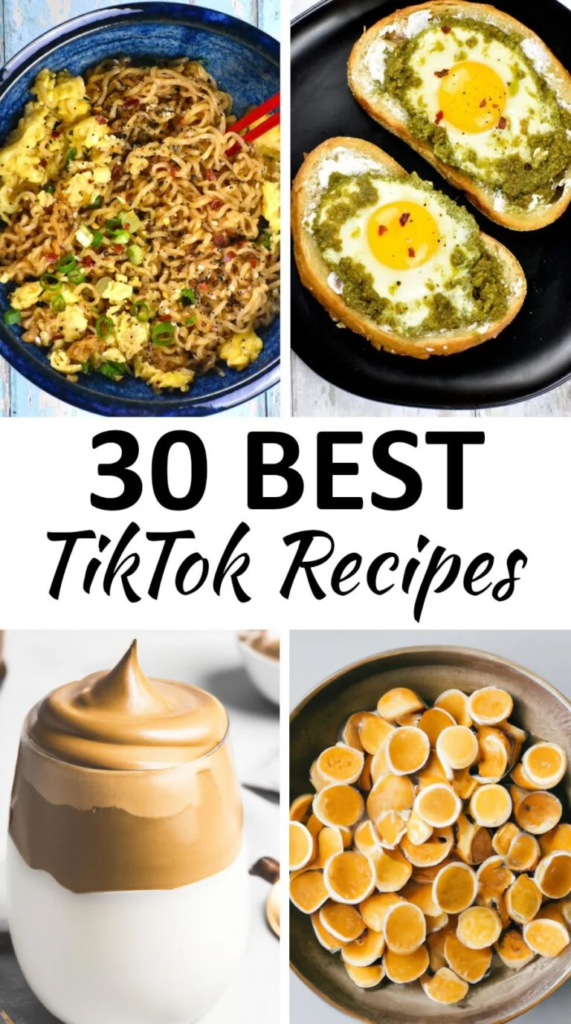
Why Professional Chefs Are So Angry
The fury wasn’t about losing a trophy. It was about losing control.
Years of Training vs. Seconds of Attention
Most professional chefs spend:
- 10–15 years mastering fundamentals
- Thousands of hours in high-pressure kitchens
- Enormous physical, emotional, and financial sacrifice
Watching a creator receive recognition in 120 seconds feels, to many, like a dismissal of that sacrifice.
The Collapse of Gatekeeping
For decades, culinary schools, critics, and institutions decided what mattered. TikTok bypasses all of them.
Anyone can post.
Anyone can be judged.
Anyone can win.
That loss of gatekeeping is deeply unsettling to an industry built on hierarchy.
The Algorithm Changed the Rules — Not the Recipe
TikTok doesn’t reward complexity. It rewards clarity and emotion.
That means:
- Simplicity beats sophistication
- Speed beats ceremony
- Visual payoff beats subtlety
This doesn’t mean technique is useless. It means technique alone no longer guarantees attention.
The chefs who understand this are adapting. The ones who don’t are furious.
A Familiar Pattern: Disruption Isn’t New to Food
This moment feels shocking, but it isn’t unprecedented.
Consider past disruptions:
- Food blogs challenged newspaper critics
- YouTube challenged cooking shows
- Instagram reshaped plating and presentation
Each time, professionals resisted. Each time, the culture moved forward anyway.
TikTok is simply the fastest version of this cycle yet.
Is This the End of “Real” Culinary Excellence?
No. But it is the end of a monopoly.
Food culture is splitting into two parallel lanes:
- Professional mastery — depth, technique, tradition
- Cultural relevance — speed, accessibility, shareability
The TikTok recipe didn’t replace fine dining. It competed in a different category—and won under different rules.
Why Americans Are Obsessed With Ultra-Simple Recipes
Search trends show Americans increasingly ask:
- Why are TikTok recipes so popular?
- Are viral recipes actually good?
- Can simple recipes beat restaurant food?
The answer often comes down to emotion, not flavor.
People love recipes that:
- Feel achievable after long workdays
- Don’t require expensive tools
- Deliver fast gratification
- Reduce decision fatigue
In a stressed, time-poor society, simplicity feels luxurious.
What This Moment Reveals About Power in Food Culture
Historically, authority flowed downward—from experts to the public.
TikTok reverses that direction.
Now:
- Audiences decide what matters
- Engagement validates value
- Virality competes with credentials
Expertise hasn’t disappeared—but it no longer controls visibility.
Why Some Chefs Quietly Understand the Win
Not every chef is outraged.
Many privately admit the recipe succeeded because it solved a real problem: making cooking feel possible again.
Some are adapting by:
- Translating technique into short-form videos
- Simplifying dishes without dumbing them down
- Collaborating with creators instead of dismissing them
The loudest voices resist. The smartest ones evolve.
The Award Wasn’t About Taste Alone
One of the biggest misunderstandings driving anger is the belief that culinary awards judge flavor in isolation.
In reality, many now reward:
- Cultural impact
- Accessibility
- Innovation in format
- Influence on behavior
The TikTok recipe didn’t just taste good.
It changed how people cooked.
That matters.
What This Means for Home Cooks
For everyday cooks, this moment is empowering.
It sends a clear signal:
- You don’t need credentials to cook well
- Confidence matters more than perfection
- Cooking is about connection, not intimidation
That’s why the public celebrated—even while professionals protested.
Practical Takeaways for Chefs and Creators
This shift offers lessons for both sides:
- Chefs who embrace storytelling gain relevance
- Creators who respect fundamentals gain longevity
- Collaboration beats competition
The future belongs to those who can combine skill with accessibility.
Practical Takeaways for Viewers and Home Cooks
If you follow viral recipes:
- Use them as inspiration, not gospel
- Learn why a recipe works
- Apply basic food safety and judgment
TikTok can spark curiosity—but knowledge sustains it.
Frequently Asked Questions (FAQ)
1. What TikTok recipe won a major culinary award?
Ans. A short, ultra-simple TikTok recipe focused on accessibility and visual clarity won recognition for innovation and cultural impact rather than traditional fine-dining technique.
2. Why are professional chefs angry about a TikTok recipe winning?
Ans. Many chefs feel it devalues years of training and shifts recognition away from craftsmanship toward viral popularity.
3. Does this mean culinary schools are becoming irrelevant?
Ans. No. Culinary education still matters for depth and technique, but it no longer controls influence or visibility alone.
4. Are viral TikTok recipes actually good?
Ans. Some are excellent, some are average. Virality reflects engagement, not guaranteed quality.
5. Why do people trust TikTok recipes so much?
Ans. Because they feel relatable, achievable, and visually convincing—especially compared to intimidating traditional recipes.
6. Are culinary awards changing their criteria?
Ans. Yes. Many now include cultural relevance, accessibility, and influence alongside taste and technique.
7. Can professional chefs succeed on TikTok?
Ans. Absolutely. Many chefs thrive by translating expertise into short-form, engaging content.
8. Is fine dining losing relevance because of social media?
Ans. Fine dining is evolving, not disappearing. It simply no longer dominates food culture alone.
9. What does this mean for the future of cooking?
Ans. Cooking is becoming more inclusive, creator-driven, and emotionally resonant rather than purely technical.
10. Should home cooks follow viral recipes blindly?
Ans. No. Use them as inspiration, but apply common sense, technique basics, and food safety awareness.
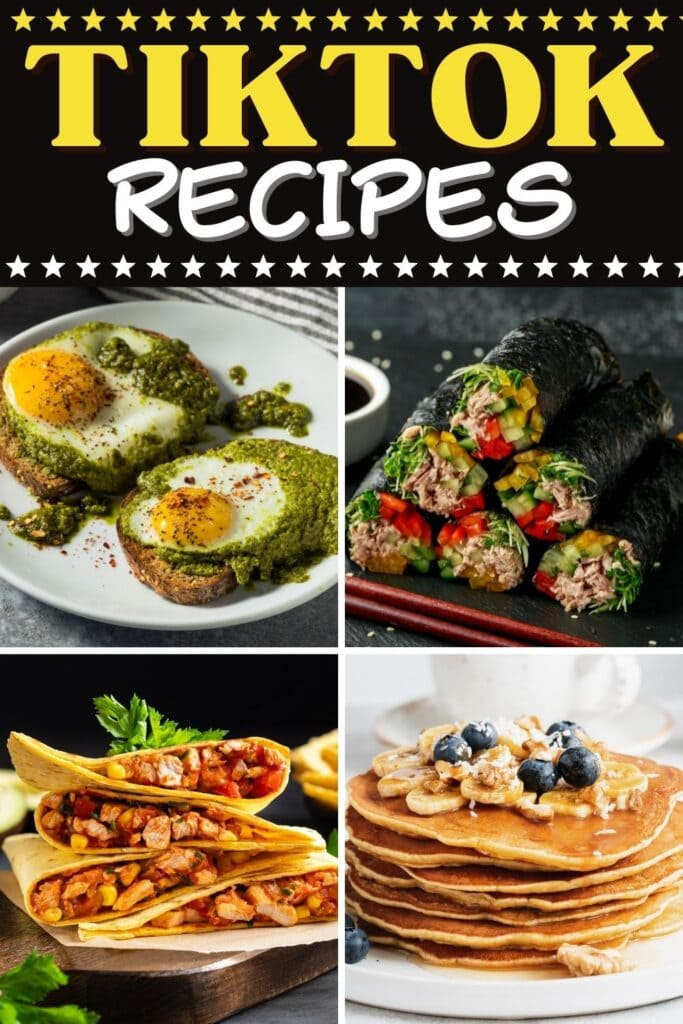
Final Thoughts: This Was Never About a Recipe
The outrage surrounding this 2-minute TikTok recipe isn’t really about food.
It’s about who gets to decide what matters.
For decades, authority lived behind kitchen doors and critic bylines. Now it lives in public feeds, comments, and shared screens.
That shift doesn’t destroy the craft of cooking. It expands it.
And in a world where fewer people cook at all, anything that brings them back into the kitchen—even a 2-minute TikTok—may deserve more curiosity than contempt.