


Many Americans make one major financial mistake on vacation—they go into credit card debt to fund their trips. This so-called “debt-lag” can cost thousands in interest after the return. In this article, we explore how this happens, why people fall into the trap, and, most importantly, how to avoid it — with real-world strategies, budget tips, and smarter travel planning to protect both your wallet and your memories.
Why Americans Keep Falling Into the Vacation Debt Trap
Travel is one of life’s greatest pleasures, yet for many Americans, the joy of a vacation is shadowed by financial consequences. According to a Bankrate survey, 36% of Americans admit they’re willing to go into debt to pay for summer travel (cnbc.com). Even more striking, NerdWallet data shows that although 85% of summer travelers plan to use a credit card, 30% of them hadn’t paid off their balances from the previous trip (nerdwallet.com).
This phenomenon, often called “debt-lag,” is the lingering financial burden after a vacation. The very tool that makes travel easy—credit cards—becomes a source of stress, long after the tan fades.
1. The Allure of Credit Cards and Rewards
Credit cards are convenient and rewarding. Many travelers use them to accumulate miles or points. While this seems smart, the danger arises when balances are not paid in full. With APRs often above 20%, even a moderate vacation can become thousands of dollars more expensive in interest (cnbc.com).
2. Overspending Without a Real Budget
Travel often triggers a sense of freedom that causes spending rules to go out the window. A recent survey found 56% of Americans abandon their spending plans on vacation (nypost.com). From impulsive dinners to extra excursions, the costs add up fast.
3. Hidden Costs and Surprise Fees
Foreign transaction fees, currency conversions, and ATM withdrawals abroad can silently inflate travel costs. Many travelers only realize the impact when their credit card statement arrives — contributing to debt-lag (en.wikipedia.org).
4. Living Beyond Means for “Priceless Memories”
While 44% of Americans say vacation memories are priceless, only 28% set a concrete budget (empower.com). Many justify overspending for experiences, but this can leave families and solo travelers with months of debt after returning home.
5. Economic Pressure and the Normalization of Debt
Rising living costs and inflation push some travelers to prioritize experiences over financial prudence. Credit card debt becomes normalized, and the delayed consequences are often overlooked (cnbc.com).
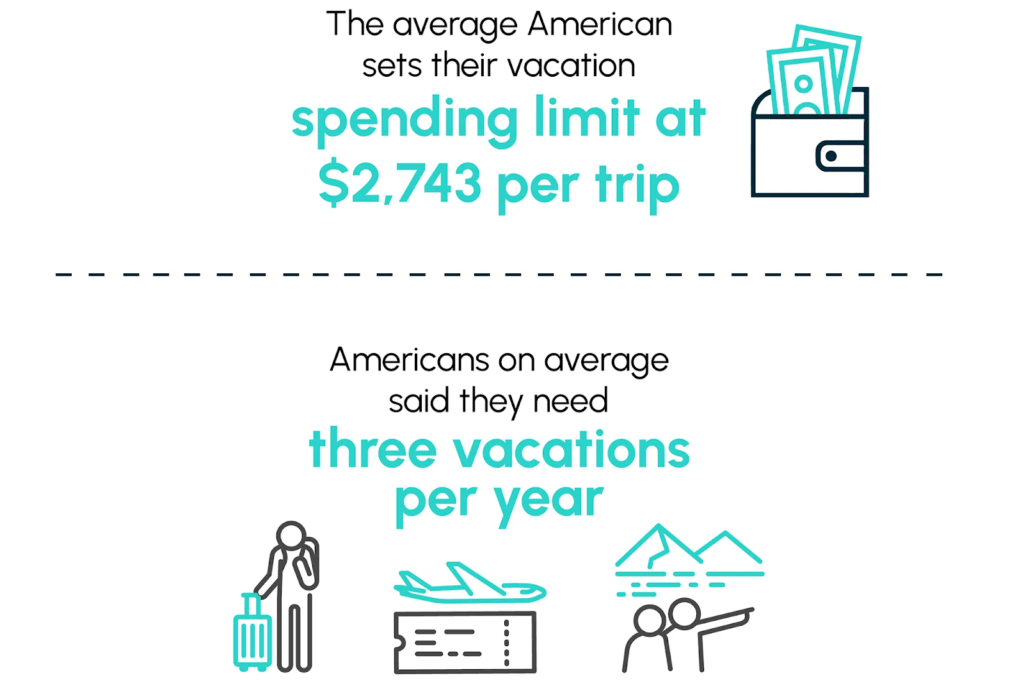
Real-Life Examples of Vacation Debt
- Millennial Couple: A couple spends $4,000 on a European trip using credit cards. Paying $500 per month at a 20% APR, the trip could cost thousands more in interest before it’s fully paid off.
- Gen Z Solo Traveler: A recent graduate’s spontaneous road trip ends in a lingering balance months later due to impulse spending and unplanned fees.
- Family Bucket List Trip: Parents visiting Disney overextend their budget. Post-trip, they face debt-lag that affects their monthly finances for months.
How to Avoid Vacation Debt and Debt-Lag
1. Set a Realistic Vacation Budget
- Break costs into categories: flights, lodging, food, activities, transportation, and “fun money.”
- Add a 20% buffer for surprises.
- Use budgeting apps or spreadsheets to track.
2. Save Before You Spend
- Build a dedicated travel fund.
- Automate monthly deposits.
- Avoid relying solely on credit cards.
3. Use Credit Cards Wisely
- Pay off balances in full to avoid high interest.
- Choose cards with no foreign transaction fees.
- Redeem points strategically, without justifying overspending.
4. Prepay What You Can
- Flights, hotels, and major excursions pre-paid reduce reliance on credit.
5. Track Spending in Real-Time
- Use apps or keep a daily log.
- Compare spending to your planned budget.
- Adjust accordingly to avoid overspending.
6. Be Aware of Hidden Fees
- Understand card fees: ATM charges, currency conversion, etc.
- Keep a small cash reserve for local expenses.
7. Plan a Payoff Strategy
- Decide how much to pay monthly.
- Use bonuses or tax refunds to accelerate debt payoff.
- Consider 0% APR offers carefully.
8. Practice Self-Restraint
- Avoid impulse purchases.
- Remember: memories don’t always need to be expensive.
- Plan intentionally, not emotionally.
Frequently Asked Questions (FAQs)
- What is debt-lag?
Debt-lag is the lingering financial burden after a trip, often due to credit card debt, foreign transaction fees, or unplanned expenses (en.wikipedia.org). - How common is using credit to pay for vacations?
Extremely common. NerdWallet reports that 85% of summer travelers use credit cards (nerdwallet.com). - Why do people accept vacation debt?
Many justify it for rewards, immediate experiences, or deferred payment. Emotional appeal often outweighs rational budgeting. - Is traveling off-season a cost-saving strategy?
Yes. Shoulder seasons and less crowded destinations offer significant savings. - Which credit cards minimize travel costs?
Look for no foreign transaction fees, travel rewards, and manageable APRs. Always pay balances in full. - How much should I budget for a trip?
Pre-calculate all known costs, add a 15–20% buffer, and set a daily discretionary limit. - What if I already have vacation debt?
Prioritize repayment, consider low-interest options, and allocate windfalls to reduce debt faster. - Are Americans still taking vacation debt now?
Yes. While many value experiences, only 28% create formal budgets (empower.com). - Does travel insurance help with debt-lag?
Travel insurance mitigates risks like cancellations or emergencies, but doesn’t cover credit card overspending. - How do I balance travel goals with future savings?
Treat travel as a financial goal, like retirement or emergency funds. Pay for trips with saved money, not borrowed money.

Conclusion
Vacations are meant to refresh and inspire, not saddle you with months of debt. By planning, budgeting, and using credit wisely, you can enjoy memorable trips without financial regret. Your best memories don’t have to cost your financial peace of mind — take control today, and travel freely tomorrow.