
Across the United States, tiny pop-up kitchens are attracting longer lines and louder buzz than Michelin-star restaurants. Fueled by authenticity, scarcity, and chef-driven creativity, these temporary dining experiences are redefining what luxury food means today. This in-depth guide explains why pop-ups are winning, how they work, and what this shift reveals about the future of dining culture.
Introduction: When a Folding Table Beats a White Tablecloth
On a quiet Friday evening in Los Angeles, a crowd begins forming outside an unmarked building. There’s no illuminated sign, no reservation podium, and no valet stand. Instead, there’s a folding table, a portable grill, and a chef plating food just feet away from the sidewalk.
Within an hour, the line stretches down the block.
Just a few miles away, a Michelin-star restaurant—praised by critics and listed in glossy travel guides—has empty tables.
Scenes like this are no longer unusual. From New York alleyways to Austin parking lots, tiny pop-up kitchens are drawing bigger, more passionate crowds than some of the world’s most prestigious restaurants.
This isn’t a rejection of fine dining. It’s something deeper: a cultural shift in how Americans define value, authenticity, and what makes a meal truly memorable.
What Exactly Is a Pop-Up Kitchen?
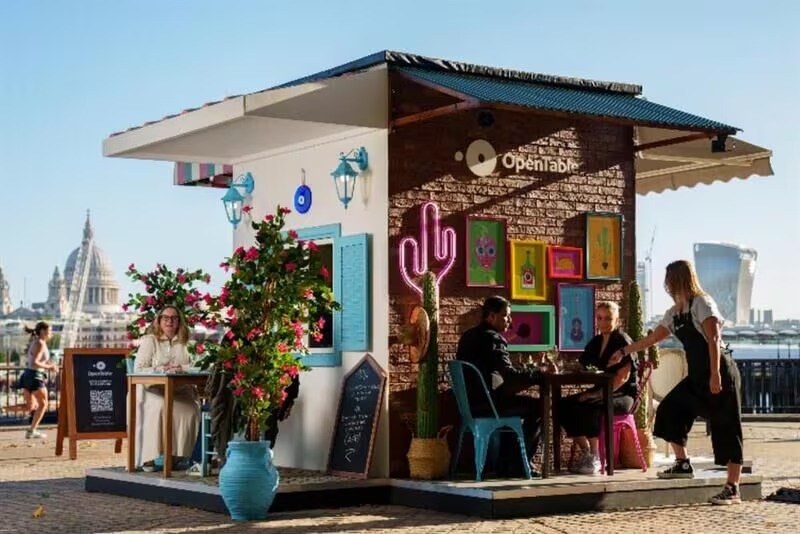
A pop-up kitchen is a temporary food concept that operates for a limited time—sometimes a single night, sometimes a few weeks—often in unconventional locations.
Unlike traditional restaurants, pop-ups are intentionally flexible and minimal. They appear, disappear, and often return in new forms.
Common pop-up locations include:
- Backyards and private homes
- Breweries and bars after hours
- Parking lots and sidewalks
- Vacant storefronts
- Community markets and events
What defines a pop-up isn’t the space—it’s the mindset. These kitchens prioritize food, creativity, and direct connection over polish and permanence.
Why Are Pop-Up Kitchens Outperforming Michelin-Star Restaurants?
At first glance, it seems counterintuitive. Michelin restaurants offer impeccable service, refined techniques, and global prestige. So why are people lining up for pop-ups instead?
The answer lies in how consumer values have evolved.
Authenticity Over Formality
Modern diners, especially Millennials and Gen Z, are less impressed by ceremony and more drawn to authenticity. They want to see who’s cooking their food, understand where ingredients come from, and feel part of a story.
Pop-ups provide that intimacy effortlessly.
Experience Over Status
For decades, dining at a Michelin restaurant signaled success. Today, posting about a hard-to-find pop-up often carries more cultural cachet. The experience feels earned, not purchased.
A Real-Life Example: The Taco Pop-Up That Shut Down the Street
In Austin, Texas, a former fine-dining sous chef launched a weekend taco pop-up in a brewery parking lot. The menu featured just three items: a slow-cooked meat taco, a vegetarian option, and a rotating special.
There was no seating. No reservations.
Within weeks, lines stretched for hours. Local chefs showed up. Touring musicians stopped by. Tech workers waited alongside construction crews.
Meanwhile, several acclaimed restaurants nearby struggled to fill dining rooms on weeknights.
The food wasn’t cheaper because it was lesser. It was cheaper because everything unnecessary had been removed.
The Power of Scarcity: Why Pop-Ups Feel Unmissable
Psychological research frequently cited by outlets like Harvard Business Review shows that scarcity increases perceived value. When something is limited, people want it more.
Pop-ups naturally create scarcity:
- Limited days
- Limited portions
- Limited access
There’s no guarantee the experience will exist next week. That urgency drives action.
Michelin restaurants, by contrast, feel permanent. Diners tell themselves, “I’ll go someday.” With pop-ups, someday might be too late.
Why Top Chefs Are Choosing Pop-Ups
Pop-ups aren’t just popular with diners. They’re increasingly popular with chefs, including those trained in Michelin-star kitchens.
Creative Freedom
Pop-ups allow chefs to cook what excites them, not what fits a brand expectation. They can test flavors, formats, and ideas without long-term risk.
Lower Financial Pressure
Without massive rent, large staffs, or complex menus, chefs can focus on food quality instead of overhead.
Direct Human Connection
In pop-ups, chefs often hand food directly to diners. They hear feedback instantly. That connection is rare in formal fine dining.
For many chefs, pop-ups feel like a return to why they started cooking in the first place.
From Luxury to Legitimacy: A Cultural Redefinition
Luxury dining once meant exclusivity, high prices, and rigid rules. Today, legitimacy comes from different signals.
Modern diners respect:
- Ingredient sourcing
- Cultural roots
- Personal chef stories
- Community support
A pop-up serving one exceptional dish with integrity can feel more meaningful than a twelve-course tasting menu served behind layers of formality.
The Role of Social Media (And Its Limits)
Instagram and TikTok undeniably help pop-ups spread quickly. A single viral video can generate massive interest.
But virality alone doesn’t sustain success.
What keeps lines long week after week is:
- Consistency
- Flavor memory
- Word-of-mouth credibility
- Chef reputation within food communities
Social media lights the spark. Great food keeps the fire burning.
Why Americans Are Asking: “Are Michelin Restaurants Losing Relevance?”
Search trends show rising curiosity around questions like:
- Are Michelin stars still worth it?
- Why are pop-up restaurants so popular?
- Is fine dining dying?
The answer is nuanced.
Michelin restaurants aren’t disappearing. But they no longer monopolize culinary prestige. Pop-ups, casual fine dining, and chef-driven concepts now share that space—and often dominate cultural conversation.
How Pop-Ups Deliver Better Perceived Value
Pop-ups remove what many diners no longer want:
- Overly scripted service
- Inflated pricing tied to décor
- Long, formal dining rituals
What remains is the core experience: food, people, and place.
Diners feel their money supports creativity rather than overhead.
Cities Where Pop-Up Culture Is Thriving
Across the U.S., pop-up kitchens flourish in cities with strong food ecosystems:
- Los Angeles – Backyard pop-ups rival brick-and-mortar restaurants
- New York City – Underground supper clubs and one-night residencies
- Austin – Brewery-based pop-ups with cult followings
- Chicago – Chef incubators and seasonal concepts
- Oakland – Community-driven pop-ups with global flavors
These cities show how culinary culture evolves from the ground up.
What This Means for the Future of Dining
Industry analysts cited by Restaurant Business and Eater increasingly view pop-ups as:
- Testing labs for new restaurants
- Talent pipelines for chefs
- Cultural hubs rather than novelties
Some pop-ups will fade. Others will become legendary.
Those that last share one trait: emotional resonance.
Practical Takeaways for Diners
If you want better food experiences right now:
- Follow chefs, not just restaurant names
- Look for limited-run menus
- Trust word of mouth over awards
- Don’t assume higher prices mean better food
Your most memorable meal this year might come from a temporary kitchen you almost ignored.
Practical Takeaways for Aspiring Food Entrepreneurs
For chefs and creators, pop-ups offer a powerful launch path:
- Test demand before committing long-term
- Build a loyal audience organically
- Refine menus in real conditions
- Earn credibility before expansion
This model is reshaping how restaurants are born.
Frequently Asked Questions (FAQ)
1. Why are pop-up kitchens drawing bigger crowds than Michelin-star restaurants?
Ans. Because pop-ups offer authenticity, scarcity, and emotional connection—qualities modern diners value more than formality or prestige.
2. Are pop-up kitchens actually profitable?
Ans. Many are. With lower overhead and focused menus, pop-ups often achieve healthier margins than traditional fine dining.
3. Is fine dining dying in the United States?
Ans. No, but it no longer defines culinary excellence on its own. Pop-ups and casual fine dining now share cultural relevance.
4. Do pop-up chefs have professional or Michelin training?
Ans. Often, yes. Many pop-ups are run by chefs trained in Michelin-star kitchens seeking creative freedom.
5. Why do pop-up dining experiences feel more exciting?
Ans. Limited availability, direct chef interaction, and unpredictability increase emotional engagement.
6. Are pop-up kitchens safe and regulated?
Ans. Legitimate pop-ups comply with local health regulations, though enforcement varies by city.
7. How do people usually discover pop-up kitchens?
Ans. Through Instagram, word of mouth, local food communities, and chef networks.
8. Can pop-ups replace traditional restaurants entirely?
Ans. Not entirely, but they are reshaping how restaurants launch and build audiences.
9. Why are people willing to wait hours for pop-up food?
Ans. Because perceived value, story, and uniqueness outweigh convenience.
10. Will pop-up kitchens still matter in the future?
Ans. Yes. Temporary, experience-driven dining is now a permanent part of modern food culture.
Final Thoughts: Why a Tiny Kitchen Can Outshine a Star
This shift isn’t about rejecting fine dining. It’s about evolution.
Pop-up kitchens remind us that food is deeply human. It’s about sharing, experimentation, and connection.
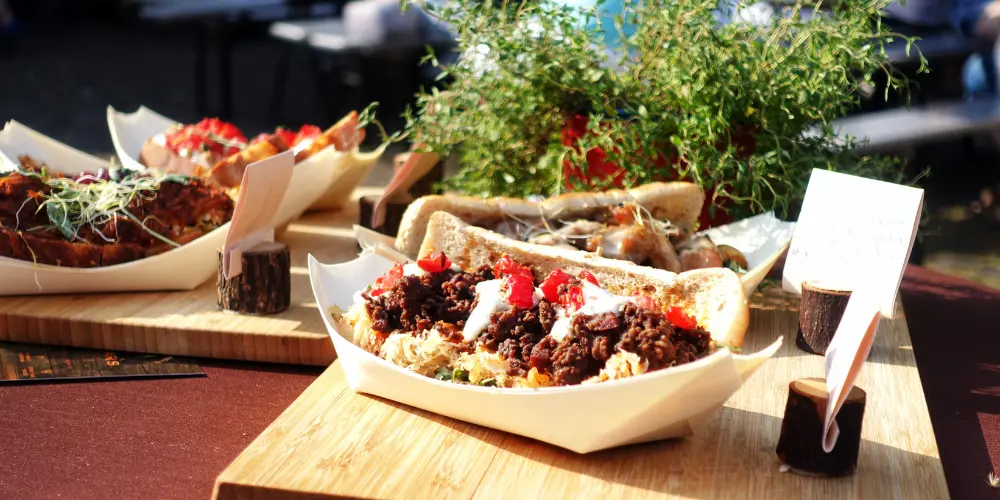
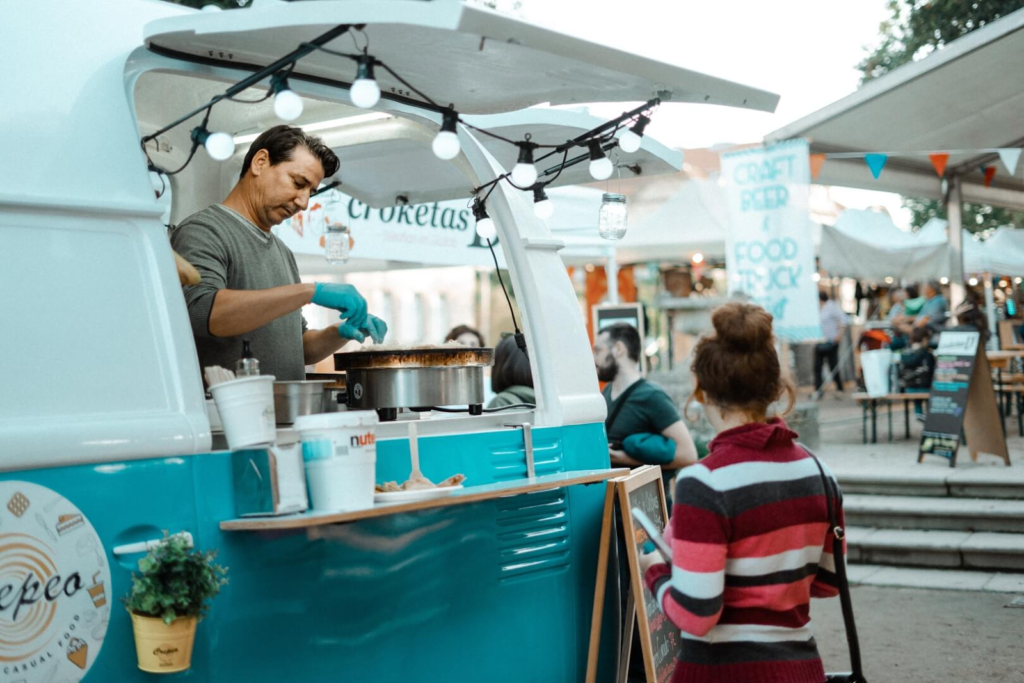
Sometimes, the most powerful meals don’t arrive under silver domes or linen napkins—but on a paper plate, handed directly from the chef, with a story you’ll remember long after the last bite.
That’s why these tiny kitchens keep drawing the biggest crowds.