

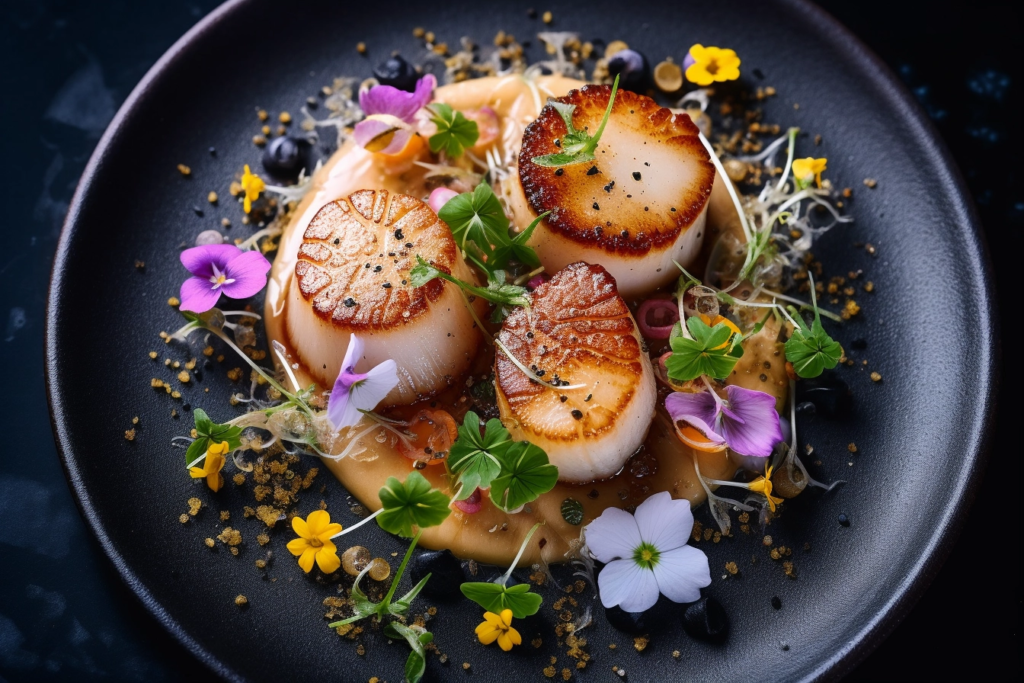
Around the world—and increasingly in the United States—billionaires are waiting over a year and paying extraordinary sums for a dining experience that serves just one plate of food. These ultra-exclusive one-plate dinners reject abundance in favor of meaning, privacy, and emotional storytelling. This in-depth guide explores what these dinners are, why the ultra-wealthy crave them, and what this trend reveals about the future of luxury dining.
The Counterintuitive Luxury Dining Trend Taking Over
At first glance, the idea sounds almost laughable.
One plate of food. No menu. No choices. No refills. Sometimes no wine list. No phones. No photos. And yet, the world’s wealthiest individuals—people who can dine anywhere, anytime—are willingly waiting 12 to 18 months for the chance to experience it.
These are not charity dinners or gimmicks. They are some of the most sought-after culinary events in the world.
In an age defined by excess, these dinners thrive on restraint. And for billionaires, restraint has become the ultimate status symbol.
What Exactly Is a One-Plate Dinner Experience?
A one-plate dinner experience is a highly curated, invitation-only culinary event in which guests are served a single, meticulously designed dish—often the only food served for the entire evening.
There is no menu preview. No substitutions. No dietary customization beyond allergies. The dish is revealed at the table, frequently accompanied by a personal explanation from the chef.
These dinners are typically:
- Limited to 6–12 guests
- Hosted by globally recognized chefs
- Held in private homes, estates, or undisclosed locations
- Structured around story, memory, or cultural meaning
In many cases, the plate represents years of refinement, experimentation, and emotional intent. It is food as narrative, not consumption.
Why Billionaires Are Drawn to “Less,” Not More
This is the central question many Americans are asking: Why would someone with unlimited resources choose a meal that offers so little food?
The answer lies in saturation.
Billionaires live in a world where abundance is constant. Private jets, personal chefs, luxury tasting menus, and Michelin-star experiences are readily available. When everything is accessible, nothing feels special.
The one-plate dinner flips this dynamic.
It offers:
- Scarcity instead of abundance
- Meaning instead of spectacle
- Presence instead of performance
For the ultra-wealthy, the appeal isn’t the plate—it’s the intention behind it.
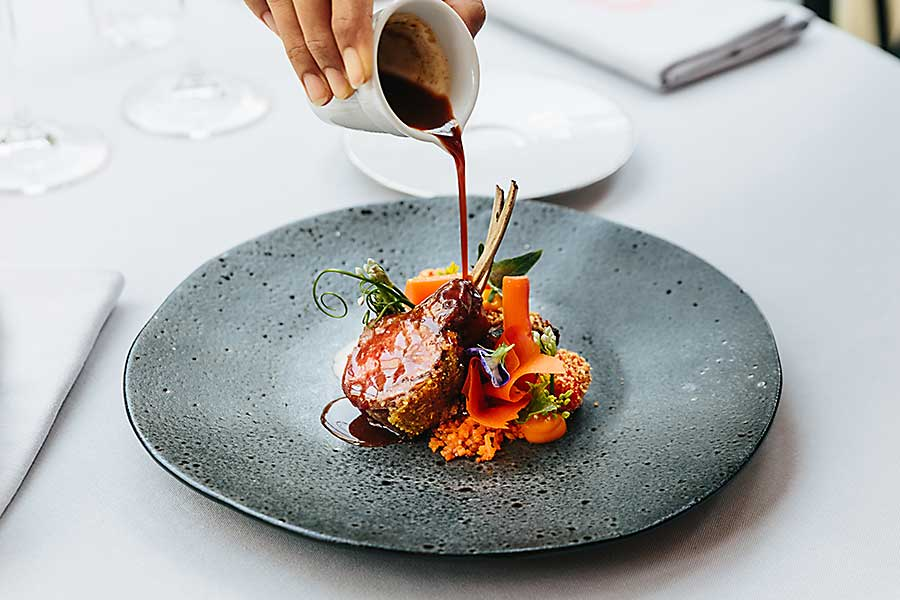
Scarcity: The True Currency of Ultra-Luxury
Scarcity has always driven luxury, but among billionaires, price is no longer a barrier. Access is.
These dinners are deliberately designed to be unscalable. Chefs often:
- Limit the number of dinners per year
- Decline press coverage
- Refuse to franchise or expand
- Turn down repeat guests
Some chefs host fewer than 100 guests annually—by choice.
When even billionaires are told “not yet,” the experience gains emotional gravity. The wait itself becomes part of the value.
Real-Life Example: A Chef Who Refuses to Grow
One former three-Michelin-star chef now hosts eight one-plate dinners per month at a private countryside estate. Guests arrive via invitation only. Phones are collected. Conversations are guided.
The waitlist stretches beyond a year. Prices reportedly range from $5,000 to $10,000 per guest.
When asked why he doesn’t expand or return to a restaurant model, the chef replied,
“If I make it bigger, it becomes food again. I want it to stay a memory.”
That philosophy resonates deeply with those who have already experienced everything else.
Why One Plate Creates a Stronger Emotional Impact
Modern fine dining often overwhelms guests with 10–20 courses, elaborate plating, and constant sensory stimulation. While impressive, the experience can blur together.
One-plate dining works differently.
Psychologically, it:
- Focuses attention on a single stimulus
- Reduces cognitive overload
- Enhances memory retention
- Allows emotional context to dominate
Guests often remember these dinners vividly years later, while forgetting multi-course meals within weeks.
One billionaire guest described the experience as “closer to a ceremony than a meal.”
The Power of Storytelling in One-Plate Dinners
Story is not an accessory in these dinners—it is the foundation.
The single plate often represents:
- A childhood memory
- A disappearing cultural tradition
- A lost ingredient or technique
- A personal moment of grief, resilience, or identity
The chef explains the dish’s origin, not its components. Guests aren’t told what’s on the plate—they’re told why it exists.
For individuals accustomed to transactional luxury, this emotional framing is deeply disarming—and unforgettable.
Privacy: A Luxury Money Usually Can’t Buy
Another major driver behind this trend is absolute privacy.
These dinners are:
- Unlisted
- Unphotographed
- Unreviewed
Phones are often banned entirely. There is no social media presence. No influencer coverage.
For people whose lives are constantly visible, this anonymity is priceless.
One tech executive reportedly booked a one-plate dinner simply because it was “the only place where no one asked what I do.”
Why Chefs Are Choosing One-Plate Dinners Over Restaurants
This movement isn’t driven by diners alone. Chefs are actively choosing this model.
Traditional restaurant life involves:
- High overhead and staffing pressure
- Constant online scrutiny
- Creative compromise
- Burnout
One-plate dinners offer:
- Total creative control
- Lower operational stress
- Direct emotional connection with guests
- Financial sustainability without scale
Many chefs describe these dinners as a return to purpose—a reminder of why they started cooking in the first place.
The Economics: Why These Dinners Cost So Much
Despite serving less food, one-plate dinners command high prices because they sell experience, not quantity.
The cost reflects:
- Limited availability
- Chef reputation
- Emotional labor and preparation
- Private venue logistics
- The impossibility of replication
Unlike restaurants, there’s no advantage to volume. In fact, higher prices often help preserve intimacy by limiting demand.
Is This Experience Only for Billionaires?
Mostly—but not exclusively.
Some chefs reserve a small number of seats for:
- Artists
- Writers
- Cultural contributors
- Long-term supporters
These invitations are rarely public and are often extended quietly.
This selective inclusion reinforces the experience’s mystique and meaning.
Is It Actually Worth the Time and Money?
For most people, no—and that’s intentional.
These dinners aren’t designed to be evaluated by value-per-dollar metrics. They’re designed to be emotionally singular.
Guests don’t talk about portion size. They talk about how the experience made them feel—and what it made them think about long after.
For those who already have everything, novelty without depth holds no appeal. Meaning does.
Practical Takeaways for Curious Readers
If this concept intrigues you:
- Understand it’s about emotion, not indulgence
- Expect rules—and respect them
- Don’t anticipate customization or comfort
- Seek chefs known for storytelling, not theatrics
- Be patient; access is earned, not bought
This experience rewards curiosity, humility, and presence.
Frequently Asked Questions (Trending Searches)
1. What is a one-plate dinner experience?
Ans. A one-plate dinner is an exclusive culinary event where guests are served a single, meaningful dish designed to create emotional and sensory impact.
2. Why do billionaires wait over a year for one meal?
Ans. Scarcity, privacy, emotional depth, and exclusivity—not quantity—drive demand.
3. How much do one-plate dinners cost?
Ans. Prices typically range from $1,000 to $10,000+ per person depending on the chef and location.
4. Are these dinners held in restaurants?
Ans. Often no. Many take place in private homes, estates, or undisclosed venues.
5. Do guests know what they’ll eat beforehand?
Ans. Usually not. Surprise is a core element of the experience.
6. Why serve only one plate instead of multiple courses?
Ans. One plate allows deeper focus, stronger memory, and emotional storytelling.
7. Are phones really banned?
Ans. Yes, in many cases. Privacy and presence are central to the concept.
8. Can non-billionaires attend these dinners?
Ans. Rarely, but some chefs invite artists or long-term supporters.
9. Is this trend growing in the U.S.?
Ans. Yes, especially in New York, California, and private destination venues.
10. Will one-plate dinners replace fine dining?
Ans. No. They serve a niche audience seeking meaning over abundance.
Final Thoughts: When Restraint Becomes the Ultimate Luxury
The reason billionaires are booking year-long waitlists for a single plate of food isn’t irrational—it’s revealing.
In a world defined by excess, intentional restraint feels radical.
These dinners offer what money usually can’t buy: silence, focus, emotional connection, and a moment that can’t be replicated, photographed, or owned.
And for the world’s wealthiest individuals, that may be the rarest luxury of all.