
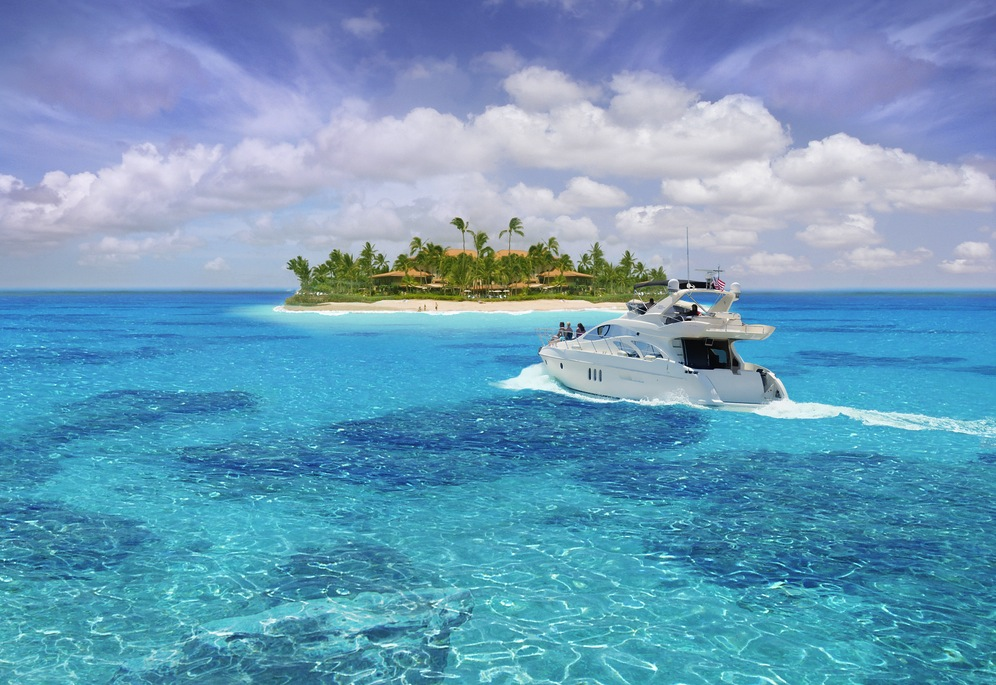
A growing number of travelers are bypassing airports and crowded resorts to reach a remote island accessible only by private boat. Drawn by total isolation, pristine nature, and a new definition of luxury rooted in privacy and silence, tourists are redefining escape. This in-depth article explains why this island is trending, what makes it so exclusive, and what travelers should know before planning the journey.
Why Are Americans Suddenly Searching for Boat-Only Island Destinations?
Over the last year, search queries such as “island you can only reach by private boat,” “remote island getaway,” and “hidden island vacation USA” have risen sharply. This shift reflects a deeper change in how Americans view travel.
Crowded airports, overbooked resorts, and overtourism have stripped many destinations of their magic. Even luxury travel has begun to feel standardized. For many travelers, the promise of infinity pools and airport lounges no longer signals escape—it signals repetition.
A remote island reachable only by private boat represents the opposite. It introduces effort, intention, and separation. That difficulty has become the appeal.
What Makes This Island So Different From Traditional Island Vacations?
Unlike popular island destinations with airports, cruise ports, or ferry terminals, this island exists outside the reach of mass tourism infrastructure. There are no flight arrivals every hour. No cruise ships anchoring offshore. No crowds arriving on a schedule.
Access is limited to:
- Privately chartered boats
- Small yachts
- Licensed local captains familiar with the waters
This natural barrier changes everything. Fewer visitors arrive, and those who do tend to be intentional, prepared, and respectful of the environment.
Travel researchers note that destinations requiring effort to reach often create stronger emotional attachment. The journey itself becomes part of the story.
Why Remoteness Has Become the New Definition of Luxury
Luxury travel has evolved.
Where luxury once meant extravagance and abundance, it now increasingly means privacy, quiet, and space. This shift is visible in the growth of yacht charters, off-grid retreats, and remote eco-lodges.
On this island:
- Silence replaces background noise
- Empty beaches replace crowded lounges
- Time slows instead of being scheduled
Visitors describe the experience as calming rather than thrilling. There is no pressure to maximize the day or document every moment. The island offers something increasingly rare: mental stillness.
How This Island Became Popular Without Mass Marketing
Unlike destinations built through advertising campaigns, this island gained attention quietly.
Early visitors were typically:
- Boat owners and sailors
- Adventure travelers seeking isolation
- Travelers avoiding mainstream luxury destinations
Photos were shared sparingly, often emphasizing how difficult the island was to reach rather than how beautiful it looked. That framing sparked curiosity.
Travel advisors report that interest surged when travelers realized the island’s exclusivity was structural, not manufactured. It wasn’t private because it was expensive—it was private because it was hard to get to.
What Tourists Actually Do on a Boat-Only Island
Many first-time visitors expect boredom. Instead, they discover something else entirely.
Activities are simple but immersive:
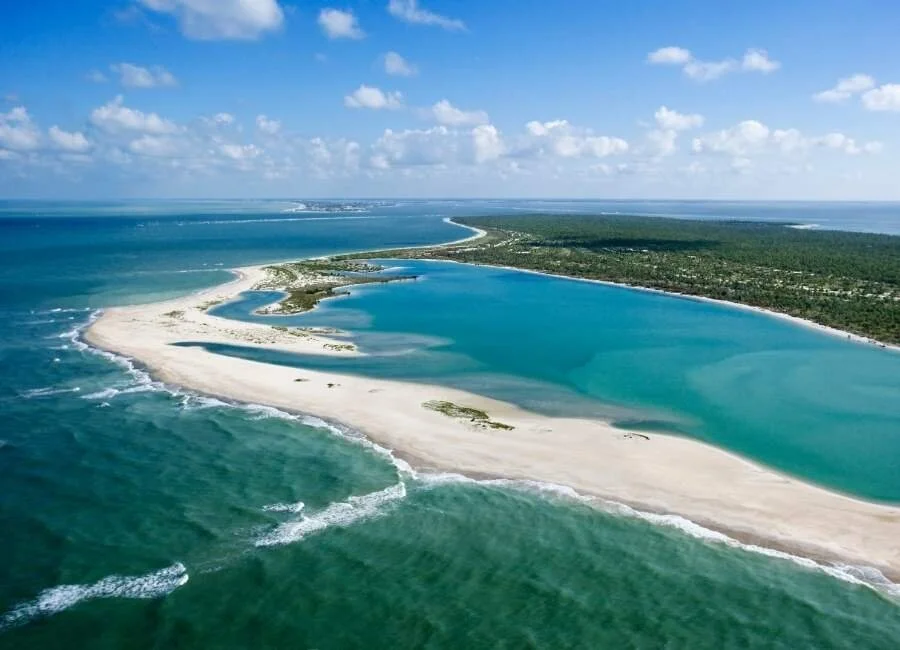
- Swimming in crystal-clear coves accessible only by boat
- Snorkeling or free diving in untouched waters
- Long beach walks without encountering anyone else
- Stargazing without light pollution
- Cooking slow meals on boats or at small eco-lodges
There are no packed itineraries. No rush. No pressure to optimize the experience. The island encourages presence rather than performance.
Why Arriving by Boat Transforms the Experience
Reaching the island by private boat is not just a logistical detail—it’s a psychological shift.
Boat travel:
- Creates distance from daily routines
- Builds anticipation gradually
- Signals a clear transition from normal life
As the shoreline fades, travelers often describe a sense of relief. The absence of roads, airports, and terminals reinforces the feeling of escape.
Marine tourism experts note that boat-only access naturally limits visitor volume, helping preserve both the environment and the experience.
Environmental Preservation Through Inaccessibility
One reason this island remains pristine is simple: fewer people can reach it.
Without mass infrastructure:
- Coral reefs experience less damage
- Wildlife encounters remain undisturbed
- Shorelines avoid erosion from heavy foot traffic
Environmental studies consistently show that limited-access destinations suffer slower ecological degradation. In this case, remoteness functions as a protective shield.
Visitors often remark that the island feels alive rather than curated.
Is This Experience Only for the Ultra-Wealthy?
Despite appearances, this type of travel isn’t reserved solely for yacht owners.
Many travelers reach the island through:
- Shared private charters
- Local captains offering transfers
- Small group boat arrangements
When costs are split among a group, total expenses can rival those of upscale resorts. The real investment is not money, but preparation and flexibility.
Travelers willing to trade convenience for authenticity often look back and say the experience was worth every extra step.
What Visitors Say After Returning Home
Post-trip reflections reveal a clear pattern.
Many travelers report:
- Reduced stress levels
- Stronger emotional memories than resort trips
- Less desire to document everything online
- A deeper appreciation for quiet
Some even say that returning to crowded destinations afterward feels jarring. Once you experience genuine isolation, it becomes difficult to unsee how noisy modern travel has become.
Potential Challenges Travelers Should Consider
This type of island escape isn’t universally appealing.
Common challenges include:
- Weather-dependent access
- Limited medical facilities
- Minimal or nonexistent cell service
- Few dining or entertainment options
Travel experts emphasize that expectations matter. Those seeking convenience may struggle. Those seeking depth often leave changed.
Preparation is not optional—it’s essential.
How to Visit Responsibly Without Destroying What Makes It Special
As interest grows, responsible travel becomes critical.
Best practices include:
- Traveling in small groups
- Hiring local guides and captains
- Carrying out all waste
- Respecting wildlife and marine ecosystems
- Avoiding precise geo-tagging of sensitive locations
Responsible behavior helps ensure the island remains unspoiled for future travelers.
Why Mention of This Island Keeps Spreading
This trend isn’t slowing down.
As digital life becomes louder and faster, physical silence grows more valuable. Boat-only islands symbolize resistance to overexposure, speed, and mass consumption.
For many travelers, this island represents more than a destination. It represents a mindset—one that values presence over performance and experience over convenience.
Key Takeaways
- Difficulty of access increases perceived value
- Private boat travel naturally limits crowds
- Isolation is now a form of luxury
- Environmental preservation benefits from remoteness
- This experience prioritizes depth over comfort
Frequently Asked Questions
1. Why can this island only be reached by private boat?
Ans. There is no ferry service or airport, intentionally limiting access to preserve the environment and avoid overcrowding.
2. Is it safe to visit an island only accessible by boat?
Ans. Yes, with proper planning. Hiring experienced local captains and monitoring weather conditions are essential.
3. Do you need to own a boat to visit?
Ans. No. Many travelers use private charters, shared boats, or local guides.
4. Is this type of island vacation expensive?
Ans. Costs vary, but small groups often find it comparable to high-end resort travel.
5. What is the best time of year to visit?
Ans. Shoulder seasons usually offer calmer weather and fewer visitors.
6. Are there hotels or resorts on the island?
Ans. Accommodations are typically limited to eco-lodges, private rentals, or boats.
7. Is there cell service or internet access?
Ans. Often limited or unavailable, which many travelers consider a benefit.
8. Can families visit this type of island?
Ans. Yes, though it’s better suited for families comfortable with minimal amenities.
9. Why are influencers talking about boat-only islands now?
Ans. Because privacy, authenticity, and exclusivity perform better than crowded destinations on social platforms.
10. Will this island become overcrowded in the future?
Ans. Unlikely, as limited access naturally caps visitor numbers.