

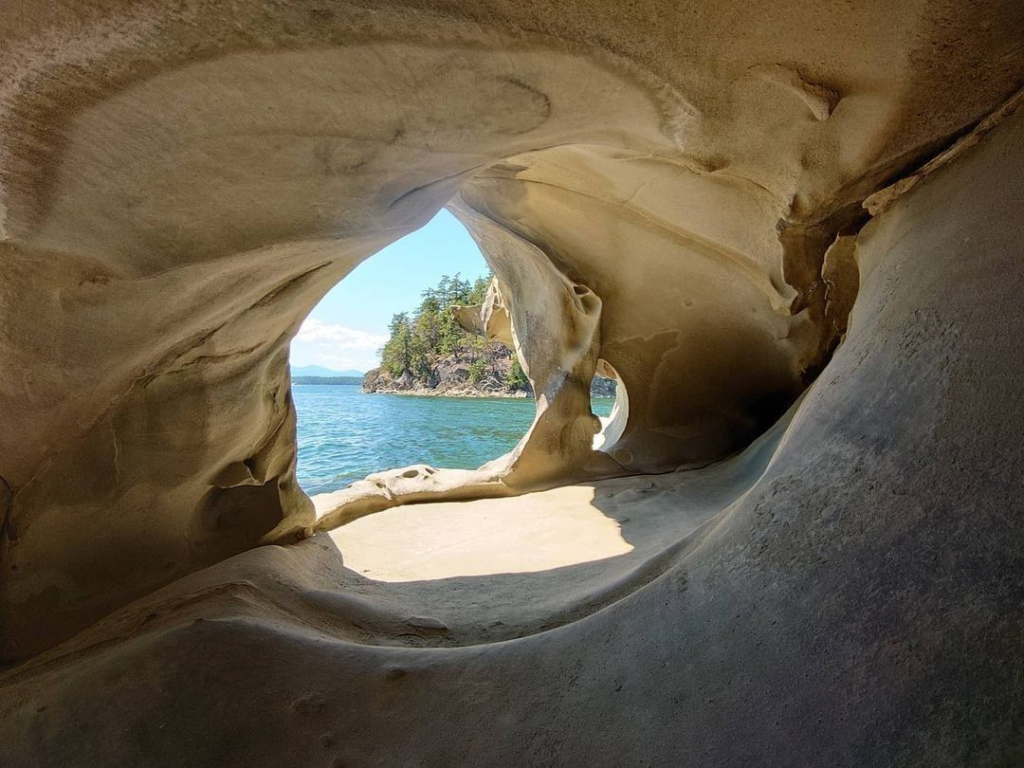
A stunning and mysterious discovery has emerged beneath the sands of a remote island, revealing hidden caves, ancient artifacts, and previously unknown ecosystems. This finding is reshaping our understanding of the island’s history and biodiversity. This comprehensive guide explores the discovery, its scientific significance, and what travelers and researchers need to know to experience it responsibly.
Why Are Americans Suddenly Searching About Hidden Discoveries Under Island Beaches?
Over the past year, Americans have increasingly searched for “hidden island caves,” “underwater archaeology islands,” “islands with secret ecosystems”. This surge reflects a growing fascination with adventure, exploration, and the unknown.
Factors driving interest:
- Popularity of adventure travel content on YouTube and Instagram
- Curiosity about untouched ecosystems and archaeological discoveries
- Desire for experiences that combine adventure, history, and natural beauty
Remote island discoveries are compelling because they combine mystery, science, and the thrill of exploration.
What Was Discovered Beneath This Island’s Beaches?
Scientists and explorers uncovered a remarkable combination of natural and historical treasures, including:
- Hidden cave networks: Extensive underground passages untouched for millennia.
- Fossilized prehistoric remains: Evidence of species that once roamed the island.
- Ancient artifacts: Pottery, tools, and other cultural objects indicating early human activity.
- Freshwater ecosystems: Aquifers hosting unique species not found anywhere else.
Together, these findings are changing how we understand the island’s ecological and historical significance.
How Was the Discovery Made?
The exploration relied on advanced technology combined with traditional methods:
- Ground-Penetrating Radar (GPR): Mapped subsurface formations.
- Underwater sonar scanning: Identified submerged caves and sinkholes.
- Diving expeditions: Collected physical samples and confirmed sonar data.
- Carbon dating and lab analysis: Verified ages of fossils and artifacts.
This combination allowed scientists to uncover hidden structures without unnecessarily disturbing fragile ecosystems.
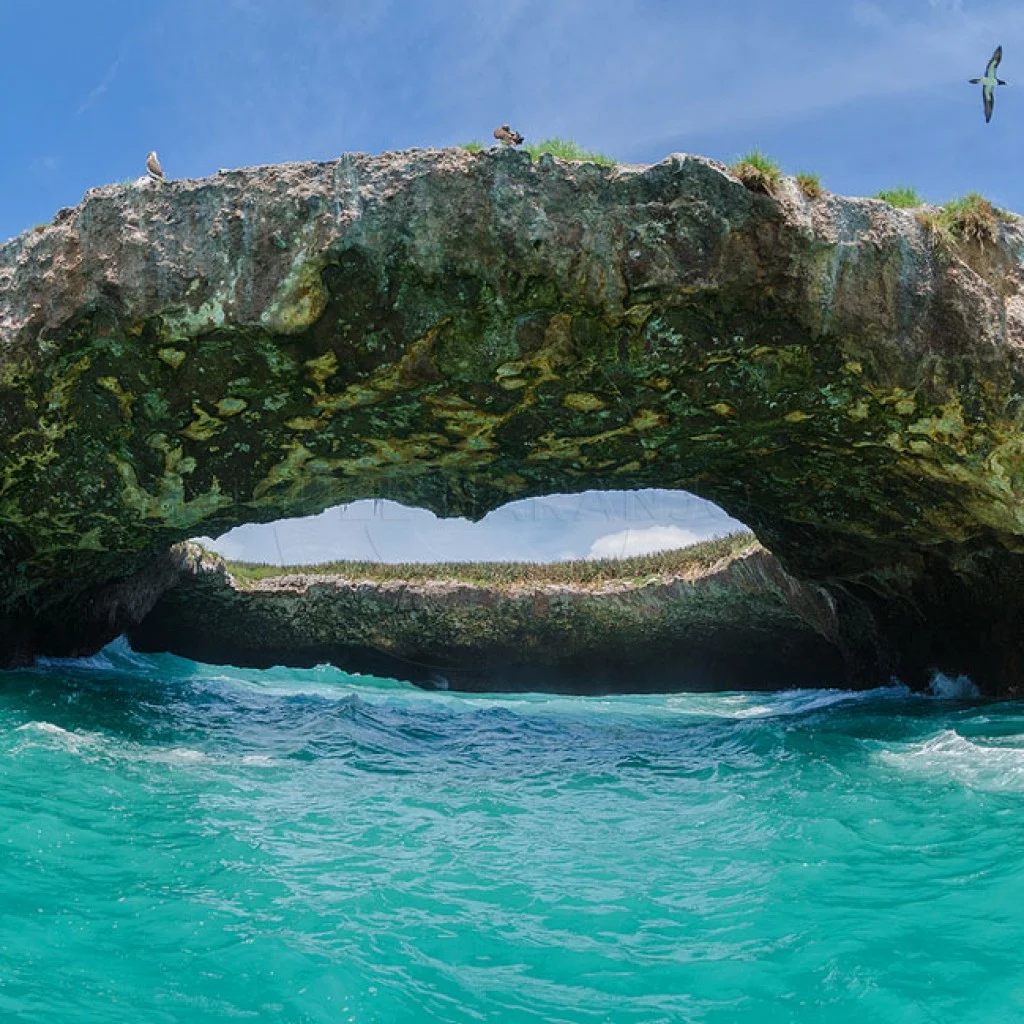
Why This Discovery Matters
The significance spans multiple disciplines:
- Historical Insight: Reveals early human migration patterns and trade.
- Environmental Importance: Protects rare species living in underground freshwater systems.
- Tourism Opportunities: Offers potential for ecotourism with careful management.
- Scientific Research: Provides data for paleontology, archaeology, and climate studies.
The discovery has positioned the island as both a scientific and tourism hotspot, attracting global attention.
Examples of Similar Island Discoveries Worldwide
- Bimini Road, Bahamas: Submerged limestone formations sparking debate over ancient civilizations.
- Waitomo Caves, New Zealand: Glowworm caves hidden beneath pastoral landscapes.
- Santorini, Greece: Subsurface volcanic tunnels revealing ancient settlements.
These examples show that islands often hide their most remarkable histories and ecosystems below the surface, waiting for discovery.
How This Discovery Changes Our Perspective of the Island
Previously celebrated for its beaches and surface attractions, the island is now recognized for:
- Scientific and research value
- Historical and archaeological importance
- Unique biodiversity in underground ecosystems
Travelers can now combine sun-and-sand experiences with cultural and ecological exploration, enhancing the island’s appeal.
Practical Implications for Tourists
For travelers wanting to experience the discovery safely:
- Guided access only: To protect fragile caves and ecosystems.
- Safety equipment required: Caves can be structurally sensitive.
- Responsible tourism practices: No touching artifacts or disturbing wildlife.
- Educational programs: Available at local visitor centers to explain findings.
Responsible visitation ensures both safety and preservation.
The Environmental and Archaeological Significance
The discovery underscores the island’s value:
- Ecosystems: Subsurface waters host species not seen elsewhere.
- Archaeology: Fossils and artifacts provide insight into prehistoric life and human activity.
- Natural archives: Sand and mineral layers reveal thousands of years of environmental history.
Proper conservation allows continued research and educational tourism.
What Makes This Discovery Unique
- Combines archaeological, paleontological, and ecological findings in one location.
- Mostly undisturbed due to limited access, ensuring preservation.
- Offers responsible tourism and research opportunities.
- Reveals subsurface complexity previously unknown to science.
This intersection of history, ecology, and adventure makes it one of the most exciting discoveries in recent decades.
Local Community Response
Locals see both potential and responsibility:
- Tourism opportunities: Guided tours, eco-lodges, and educational programs.
- Conservation responsibility: Preventing damage to fragile caves, artifacts, and ecosystems.
Policies now balance research, tourism, and preservation, ensuring long-term sustainability.
The Future of Exploration
- Scientific Research: Detailed studies of species, water chemistry, and climate history.
- Educational Programs: Interactive exhibits for visitors and schools.
- Eco-Tourism Development: Carefully curated tours for safe public engagement.
- Media Coverage: Documentaries and photography projects to showcase the discovery responsibly.
The island is becoming a model for sustainable exploration and tourism.
Key Takeaways
- Hidden treasures beneath islands can include fossils, caves, artifacts, and unique ecosystems.
- Modern technology allows discovery while minimizing environmental impact.
- Responsible tourism ensures protection of both natural and cultural resources.
- The island now serves as both a research site and a unique adventure destination.
- These discoveries deepen cultural, historical, and ecological understanding.
Frequently Asked Questions
1. What was discovered under the island’s beaches?
Ans. Hidden caves, prehistoric fossils, ancient human artifacts, and unique freshwater ecosystems.
2. How were these discoveries made?
Ans. Using ground-penetrating radar, underwater sonar, diving expeditions, and carbon dating.
3. Can tourists visit these sites?
Ans. Yes, but only through guided tours to ensure safety and conservation.
4. Why is this discovery important?
Ans. It provides historical, ecological, and environmental insights previously unknown.
5. Are there any dangers visiting these sites?
Ans. Structural cave risks, water hazards, and delicate ecosystems require supervised visits.
6. What makes this island unique compared to others?
Ans. It combines archaeological, paleontological, and ecological discoveries in one location.
7. How is the local community involved?
Ans. Locals manage tours, conservation programs, and educational initiatives.
8. Are there plans for future research?
Ans. Yes, including studies on ecosystems, climate history, and ancient artifacts.
9. Will tourism harm these discoveries?
Ans. Authorities implement sustainable practices to protect the site while allowing responsible visits.
10. Can similar discoveries be expected on other islands?
Ans. Yes, islands worldwide often conceal archaeological and ecological treasures.