

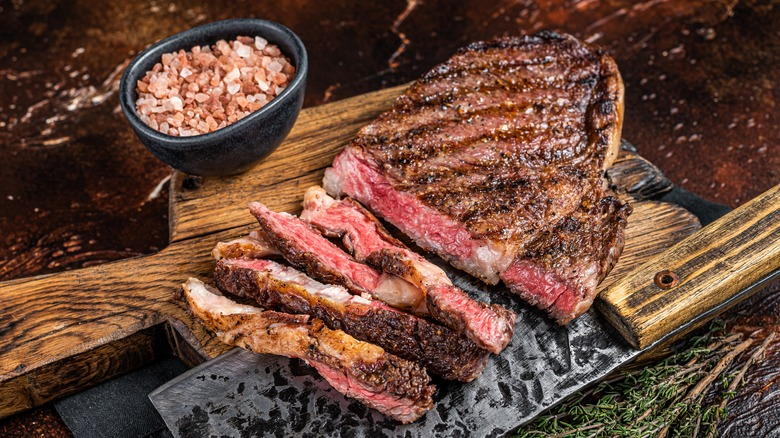
America’s relationship with steak is undergoing a dramatic transformation. From advanced aging techniques and American Wagyu to smaller portions, forgotten cuts, and steak tasting menus, chefs are reinventing how steak is sourced, cooked, and experienced. This in-depth guide explores what’s driving the new steak revolution, why diners are embracing it, and what it means for the future of American dining.
Introduction: Steak, Rewritten for a New Generation
For decades, steak in America followed an almost sacred script.
A thick cut of beef. A blazing grill. Salt, pepper, and maybe butter. A baked potato on the side. The steakhouse experience was predictable, indulgent, and proudly traditional. And for a long time, that formula worked.
But today, something has changed.
Across the United States, chefs are quietly dismantling old assumptions about steak. They are questioning everything—from how beef is raised and aged to how it’s cooked, portioned, and presented. Steak is no longer just about size, char, and doneness. It has become a medium for technique, sustainability, storytelling, and cultural evolution.
Diners are walking into restaurants expecting the familiar—and leaving surprised, curious, and often converted.
Welcome to America’s new steak revolution.
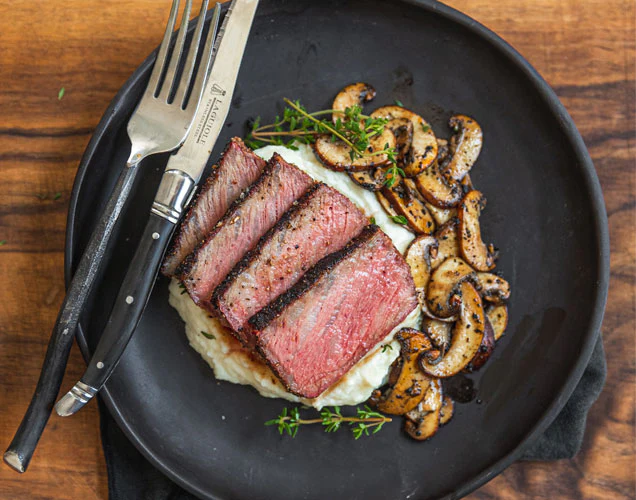
What Is America’s New Steak Revolution?
The new steak revolution refers to a nationwide shift in how steak is perceived and prepared in modern American dining. Instead of focusing solely on tradition, chefs are blending old-school steakhouse values with contemporary culinary thinking.
This movement emphasizes:
- Process over bravado
- Precision over excess
- Quality over quantity
- Transparency over mystique
Steak is no longer just a luxury protein. It’s a craft product, treated with the same seriousness as wine, cheese, or bread.
Why Are Chefs Rethinking Steak Now?
Several forces have converged to push steak culture forward.
First, diners are more informed than ever. Many Americans now ask where their beef comes from, how animals are raised, and how aging affects flavor. Steak is no longer judged solely by tenderness—it’s judged by ethics, sourcing, and depth of taste.
Second, chefs hit a creative ceiling. Traditional steakhouse cooking left little room for innovation. To stay relevant, chefs had to explore aging science, alternative cuts, and new cooking techniques.
Third, sustainability became unavoidable. Beef is expensive to produce, both financially and environmentally. Chefs are now under pressure to use animals more responsibly and waste less.
Together, these factors forced a reimagining of what steak could be.
How Science Changed the Way Steak Is Cooked
Modern steak culture embraces science in ways previous generations avoided.
Cooking steak used to rely on instinct and experience. Today, it relies on temperature control, enzymatic breakdown, and moisture management.
Dry-Aging Moves Into the Spotlight
Dry-aging was once a behind-the-scenes process known only to elite steakhouses. Now, it’s a centerpiece.
Dry-aging works by:
- Reducing moisture, concentrating flavor
- Allowing enzymes to break down muscle fibers
- Creating nutty, umami-rich notes over time
Many restaurants age beef for 45, 60, or even 100+ days. The result is steak that tastes deeper, more complex, and sometimes surprisingly bold.
For diners, the shock isn’t just the flavor—it’s realizing steak can taste this different.
Reverse Searing Redefines Doneness
Reverse searing flipped traditional steak cooking on its head.
Instead of searing first and hoping the inside cooperates, chefs cook steak slowly at low temperatures, then finish with a high-heat sear.
This technique delivers:
- Even doneness from edge to center
- Better moisture retention
- More precise temperature control
What was once considered “overthinking” is now standard practice in many modern kitchens—and increasingly in American homes.
American Wagyu: A New Kind of Luxury
For years, Wagyu meant one thing: Japan.
Today, American Wagyu has emerged as its own category. Raised domestically using Wagyu genetics crossed with American cattle, it offers a unique balance.
American Wagyu is prized for:
- Intense marbling without overwhelming richness
- A familiar beef flavor enhanced by fat
- Versatility across cooking methods
Many chefs prefer it over imported Wagyu because it works better in traditional steak formats while still feeling indulgent.
For diners, this means steak that feels luxurious without being intimidating.
Why Steak Portions Are Getting Smaller — And Better
One of the most noticeable changes for diners is portion size.
The era of oversized 24-ounce steaks dominating plates is fading. In its place, chefs are offering:
- Smaller, carefully trimmed cuts
- Shared steak experiences
- Multi-course steak tastings
This shift isn’t about deprivation—it’s about focus.
Smaller portions allow:
- Better sourcing of premium beef
- Greater attention to cooking precision
- The ability to try multiple styles in one meal
Many diners report feeling more satisfied, not less.
Steak as a Tasting Menu Experience
Perhaps the boldest sign of change is the rise of steak tasting menus.
Instead of one massive cut, diners might experience:
- A lightly aged steak served rare
- A mid-aged cut cooked traditionally
- A heavily aged steak paired with bold flavors
- Lesser-known cuts prepared with refined techniques
This approach reframes steak as something to be explored, not just consumed.
It also reflects a broader fine-dining trend: depth over dominance.
The Rise of Forgotten and Underrated Cuts
Ribeye and filet mignon still have their place—but they’re no longer the only stars.
Chefs are rediscovering cuts that were once ignored, including:
- Hanger steak
- Denver steak
- Bavette
- Flat iron
These cuts often offer:
- Intense beef flavor
- Lower cost
- Better sustainability
Diners are often shocked to learn that their favorite steak of the night wasn’t the most expensive cut on the menu.
Global Influences Are Reshaping American Steak
American steak is no longer isolated from the rest of the world.
Modern chefs draw inspiration from:
- Japanese charcoal grilling techniques
- Argentine asado traditions
- Korean marinades and side dishes
- European aging and butchery practices
These influences don’t erase steakhouse tradition—they expand it, making steak culture richer and more diverse.
Is the Classic American Steakhouse Dying?
No—but it is evolving.
Traditional steakhouses still thrive, especially for celebrations and business dining. What’s changing is expectation.
Today’s diners want:
- Transparency about sourcing
- Thoughtful cooking techniques
- Better sides and sauces
- A clear culinary identity
The steakhouse of the future respects tradition while embracing progress.
What This Means for Home Cooks
This revolution isn’t limited to restaurants.
American home cooks are adopting:
- Reverse-sear methods
- Meat thermometers for accuracy
- Higher-quality beef in smaller quantities
- Proper resting and slicing techniques
Steak at home is becoming less about showing off—and more about getting it right.
Is Steak Still Relevant in a Plant-Forward Era?
Yes—but its role is changing.
Instead of being an everyday indulgence, steak is becoming:
- A special-occasion food
- A thoughtfully sourced product
- Something eaten with intention
Ironically, this shift may ensure steak’s long-term survival by making it more meaningful.
Key Takeaways for Diners
- Steak culture in America is evolving rapidly
- Technique and sourcing matter as much as cut
- Smaller portions often deliver better experiences
- Innovation enhances tradition—it doesn’t erase it
Frequently Asked Questions (FAQ)
1. What is America’s new steak revolution?
Ans. It refers to modern approaches to sourcing, aging, cooking, and serving steak that prioritize technique, quality, and experience over size alone.
2. Why are steaks being dry-aged longer now?
Ans. Longer aging concentrates flavor and creates unique textures that many modern diners seek.
3. What is reverse-searing a steak?
Ans. It’s a method where steak is cooked slowly at low temperature, then finished with a high-heat sear for precision doneness.
4. Is American Wagyu the same as Japanese Wagyu?
Ans. No. American Wagyu uses Wagyu genetics raised domestically, resulting in a different flavor balance.
5. Why are steak portions getting smaller?
Ans. Smaller portions allow for higher quality, sustainability, and multi-course experiences.
6. Are steak tasting menus becoming popular?
Ans. Yes. Many fine-dining restaurants now use steak as a tasting-menu centerpiece.
7. Are cheaper cuts as good as ribeye or filet?
Ans. When cooked properly, many lesser-known cuts offer exceptional flavor and value.
8. Is steak still healthy to eat?
Ans. In moderation, steak can be part of a balanced diet, especially when quality and portion size are prioritized.
9. Is steak culture changing in the U.S.?
Ans. Absolutely. Diners now value transparency, technique, and ethics more than excess.
10. Will traditional steakhouses disappear?
Ans. No. They are adapting, not disappearing.
Final Thoughts: Steak Isn’t Disappearing — It’s Evolving
Steak has always been part of America’s culinary identity. What’s changing isn’t our love for it—but our understanding of it.
Today’s steak is about craft, care, and consciousness. It reflects a dining culture that values depth over dominance and experience over excess.
You may have eaten steak your whole life.
But you haven’t eaten it like this.